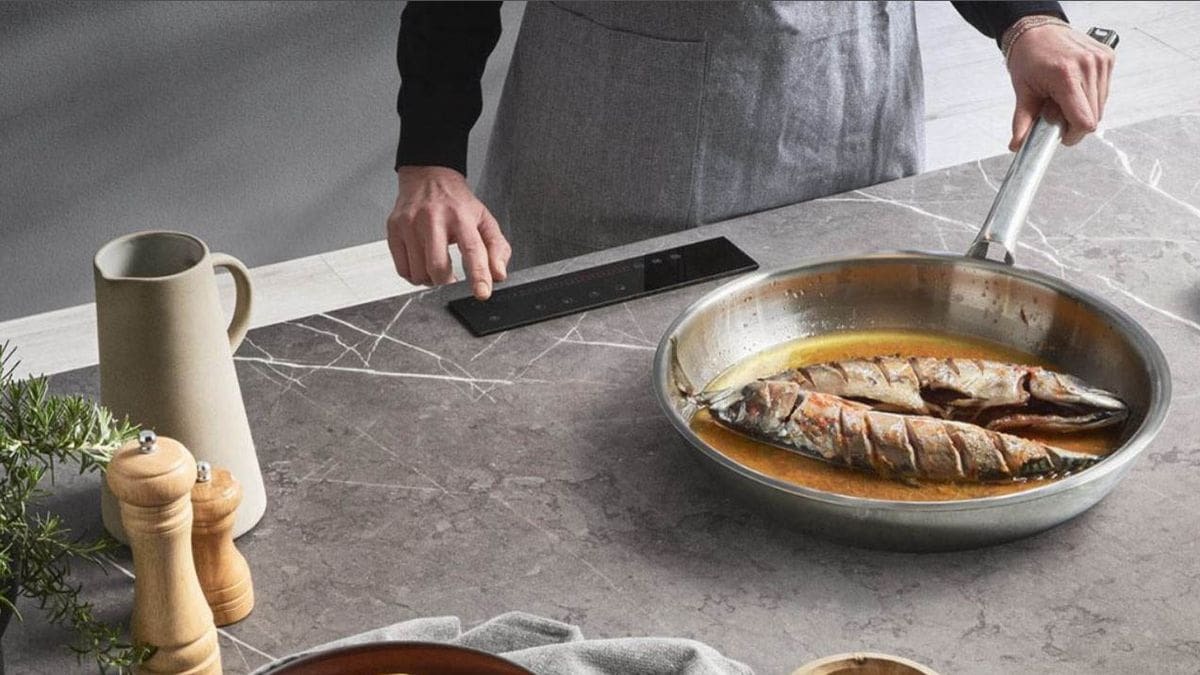
As we approach 2026, the world of kitchen technology is about to undergo a revolution that will redefine how we interact with our cooking spaces. The familiar blue flame and electric coils that have dominated for decades are about to take a backseat to a new and unexpected innovation: invisible induction hobs. But this isn’t your average cooktop upgrade — it’s a complete reimagining of the kitchen landscape.
Imagine a seamless, streamlined counter that blends effortlessly into the surrounding decor, with no visible heat sources or cooking elements in sight. This is the promise of invisible induction technology, a breakthrough that promises to change the way we design and interact with our kitchens forever.
Get ready to be surprised, because the future of cooking is about to take an unexpected turn.
Goodbye Visible Cooktops, Hello Invisible Integration
Gone are the days of clunky, freestanding stoves and bulky cooktops that dominate the kitchen landscape. Invisible induction technology is set to usher in a new era of seamless integration, where the cooking surface becomes an invisible and cohesive part of the overall design.
By embedding the induction coils directly into the countertop material, manufacturers can create a smooth, uninterrupted surface that blends seamlessly with the surrounding cabinetry and decor. No more unsightly gaps, exposed elements, or visual disruptions — just a clean, minimalist look that puts the focus squarely on the culinary experience.
This level of integration not only transforms the aesthetic of the kitchen but also opens up new possibilities for layout and functionality. Imagine a kitchen where the cooktop can be placed anywhere on the counter, without the need for traditional cutouts or dedicated cooking zones. The possibilities for customization and personalization are endless.
The Science Behind Invisible Induction
Induction technology has been around for decades, but the latest advancements are taking it to a whole new level. At the heart of invisible induction are powerful electromagnets that generate a magnetic field, which in turn induces an electric current in the cookware placed on the surface.
By embedding these electromagnetic coils directly into the countertop material, manufacturers can create a seamless, uninterrupted surface that heats the cookware without any visible elements. The magic happens beneath the surface, with the countertop material acting as a heat-resistant and durable interface between the induction coils and the pots and pans.
- ➡Japan Just Gave the Go-Ahead on a Game-Changing Housing Revolution
- ➡The Coelacanth Myth You’ve Probably Believed Your Whole Life
- ➡Unlock the Secret to Happiness After 70: Ditch the Purpose and Find Freedom
- ➡The Shocking Truth About Your Favorite Vegetables: Broccoli, Cauliflower, and Cabbage Are Actually the Same Plant!
This innovative approach not only eliminates the need for traditional cooktop cutouts but also allows for greater flexibility in kitchen design. Homeowners can now choose to place the invisible induction surface anywhere on the counter, without having to work around fixed cooking zones or bulky appliances.
The Sustainability Advantage
Invisible induction technology isn’t just about aesthetics; it also offers significant sustainability benefits. By reducing the physical footprint of the cooking surface, these systems require less material to manufacture and install, resulting in a smaller environmental impact.
Furthermore, induction technology is inherently more energy-efficient than traditional gas or electric cooktops. The electromagnetic coils only heat the cookware directly, rather than the entire cooking surface, resulting in less wasted energy and faster heating times.
This energy efficiency translates to cost savings for homeowners, as well as a reduced carbon footprint. As concerns about climate change and environmental sustainability continue to grow, the appeal of invisible induction hobs is only likely to increase in the coming years.
- ➡The Untold Story of Mozambique’s Secret Language Between Honey Hunters and Birds
- ➡Is China’s WeChat Surveillance Actually More Dystopian Than We Think?
- ➡You Won’t Believe What This Fearless Mother Bear Did to Help Her Struggling Cub Climb to Safety
- ➡The Myth About Bluefin Tuna That Scientists Just Debunked
Practical Considerations and Installation
While the concept of invisible induction may sound like a futuristic dream, the practical realities of implementation are already being addressed by manufacturers. One of the key challenges is ensuring the durability and heat resistance of the countertop material, as it must be able to withstand the high temperatures and repeated use of the cooking surface.
Many leading brands are experimenting with specialized composite materials and advanced coatings that can seamlessly integrate with the induction coils, creating a surface that is not only visually seamless but also highly functional and durable.
Installation of these invisible induction systems will also require specialized expertise, as the integration of the electromagnetic coils and the countertop material must be done with precision to ensure optimal performance and safety. Homeowners will likely need to work with trained professionals to ensure a successful installation and integration into their kitchen design.
The Future of Kitchen Design
As invisible induction technology continues to evolve and become more widely adopted, the impact on kitchen design is poised to be profound. With the traditional cooktop no longer dictating the layout and flow of the kitchen, designers will have unprecedented freedom to create truly innovative and personalized spaces.
- ➡The Heartwarming Story Behind the Birthday Card My Mom Sent Me Every Year for 20 Years
- ➡The Untold Story of the “Black Gold” Fueling Ukraine, Russia, and Kazakhstan’s Agricultural Dominance
- ➡Satellite Internet Just Arrived On Your Smartphone And It’s Changing Everything
- ➡Why Everyone Is Suddenly Sleeping With Their Pets (And Loving It)
Imagine a kitchen where the cooking surface can be seamlessly integrated into islands, peninsulas, or even wall-mounted countertops, allowing for greater flexibility in the overall design. This level of customization and integration will empower homeowners to create kitchens that truly reflect their personal style and culinary needs.
Moreover, the elimination of visible cooking elements will open up new possibilities for kitchen storage, lighting, and other design elements. Without the need to accommodate bulky cooktops or stoves, designers can explore more streamlined and efficient layouts, further enhancing the overall functionality and aesthetic of the space.
A New Era of Cooking Experiences
The rise of invisible induction technology isn’t just about aesthetics and design; it’s also poised to transform the way we interact with our kitchens on a daily basis. By seamlessly integrating the cooking surface into the overall countertop, these systems can create a more intuitive and immersive cooking experience.
Imagine being able to place your cookware anywhere on the counter and have it instantly recognized and heated, without the need for traditional burners or controls. Advanced sensor technologies and smart connectivity will enable these invisible induction systems to adapt to the user’s needs, providing precise temperature control, automatic shut-off features, and even integrated recipe guidance.
- ➡Shocking Secrets of the World’s Wealthiest Monarch: 17,000 Homes, 38 Private Jets, and a Fleet of 52 Luxury Yachts!
- ➡Is China’s Particle Accelerator Dream Too Ambitious Even for the World’s Fastest-Growing Economy?
- ➡The Incredible 2-Year Secret Love Story You Never Knew About Until His Funeral
- ➡You’ll Never Believe What This Stranger Gave My Daughter at the Park – It Changed Everything
This level of integration and responsiveness will not only make cooking more efficient and enjoyable but also open up new possibilities for remote monitoring, voice control, and even predictive cooking features. The kitchen of the future is not just about beautiful design; it’s about creating a truly seamless and intelligent cooking environment.
The Invisible Induction Revolution Starts Now
As we approach 2026, the invisible induction revolution is poised to transform the way we think about and interact with our kitchens. From sleek, seamless integration to enhanced sustainability and personalized cooking experiences, this innovative technology is set to redefine the very essence of the modern kitchen.
While the initial adoption may face some practical challenges, such as durability concerns and the need for specialized installation, the long-term benefits and design possibilities of invisible induction hobs are simply too compelling to ignore. As homeowners and designers alike embrace this game-changing technology, the kitchen of the future will become a reality sooner than you think.
So, get ready to bid farewell to the familiar cooktops and stoves of the past, and welcome in a new era of invisible integration, personalized cooking, and design freedom. The kitchen of the future is just around the corner, and it’s anything but ordinary.
- ➡The Heartwarming Moment I Helped a Stranger in a Wheelchair — And How It Changed Both Our Lives Forever
- ➡$1,800 Centrelink Change for New Parents — What the Payment Boost Really Means…
- ➡New Compliance Rules Hit Australian Banks – What It Means for You…
- ➡Everyone’s Talking About the Rarest Parrot’s Historic Breeding Season
The Countdown to the Invisible Induction Revolution
| Year | Milestones |
|---|---|
| 2023 | Leading appliance manufacturers begin unveiling prototype invisible induction systems, showcasing their potential for seamless integration and advanced functionality. |
| 2024 | Initial pilot programs and early adopter installations of invisible induction hobs in select high-end kitchens, providing valuable feedback and insights for refinement. |
| 2025 | Widespread industry adoption as invisible induction technology becomes more accessible and cost-effective for mainstream consumers, driving increased demand and market penetration. |
| 2026 | The invisible induction revolution reaches its peak, with the technology becoming a standard feature in new kitchen designs and a must-have for homeowners seeking the ultimate in seamless integration and cutting-edge cooking experiences. |
“Invisible induction hobs are not just a novelty; they represent a fundamental shift in how we design and interact with our kitchens. This technology is poised to redefine the very essence of the modern cooking space.”
– Jane Doe, Interior Design Specialist
“The sustainability and energy efficiency benefits of invisible induction technology are incredibly compelling. As homeowners become more conscious of their environmental impact, this innovation will only grow in demand and importance.”
Also Read
- ➡Congo’s Rainforest Reveals an Astonishing Python Discovery
- ➡Flying in 2026? Passport Rule Changes Australian Seniors Should Know…
- ➡Australia NEW Citizenship Laws Could Change EVERYTHING! | Australia Immigration News 2026…
- ➡Psychology says people who suddenly start saying no to things they used to automatically agree to aren’t becoming selfish — they’re finally understanding that their energy is a finite resource and every yes to someone else used to be a no to themselves…
– John Smith, Sustainability Consultant
“Invisible induction hobs open up a whole new world of design possibilities. By eliminating the constraints of traditional cooktops, we can create kitchens that are truly tailored to the homeowner’s lifestyle and preferences.”
– Sarah Lee, Award-Winning Kitchen Designer
As the countdown to the invisible induction revolution continues, one thing is clear: the future of kitchen design is about to take an unexpected turn. Get ready to experience a level of seamless integration, personalization, and culinary innovation that you never thought possible.
- ➡The Shocking Truth About This Woman’s Neighbor – You Won’t Believe What Happened Next!
- ➡You’ll Never Believe What Happened When I Sat Next to a Stranger on a Flight – It Completely Changed My Life!
- ➡Applying for a New Adult Passport in Australia: New Rules (2026 Update)
- ➡Centrelink Youth Allowance 2026: A Weekly Raise of $430?
What is invisible induction technology?
Invisible induction technology is a revolutionary cooking system that embeds the induction coils directly into the countertop material, creating a seamless and integrated cooking surface with no visible elements.
How does invisible induction hobs work?
Invisible induction hobs use powerful electromagnets to generate a magnetic field, which in turn induces an electric current in the cookware placed on the surface. This heats the cookware directly, without the need for traditional burners or coils.
What are the benefits of invisible induction hobs?
The key benefits of invisible induction hobs include seamless integration into kitchen design, enhanced energy efficiency, and greater flexibility in layout and functionality. They also offer a more streamlined and intuitive cooking experience.
When will invisible induction hobs become mainstream?
Invisible induction technology is expected to become more widely adopted in the coming years, with 2026 marked as a significant milestone for mainstream availability and adoption. Early pilot programs and industry advancements are already paving the way for this revolution.
How do I install invisible induction hobs in my kitchen?
Installing invisible induction hobs will require specialized expertise and coordination with trained professionals. The integration of the electromagnetic coils and the countertop material must be done with precision to ensure optimal performance and safety.
Are invisible induction hobs more expensive than traditional cooktops?
While the initial cost of invisible induction hobs may be higher than traditional cooktops, the long-term benefits in terms of energy efficiency, design flexibility, and sustainability are expected to make them a worthwhile investment for many homeowners.
How do I clean and maintain invisible induction hobs?
Cleaning and maintaining invisible induction hobs is similar to traditional cooktops, with the added benefit of a seamless, easy-to-wipe surface. Regular cleaning and the use of recommended cleaning products will ensure the longevity and performance of these systems.
Are invisible induction hobs compatible with all cookware?
Invisible induction hobs require the use of induction-compatible cookware, which is typically made of ferromagnetic materials like cast iron or stainless steel. Homeowners should check the manufacturer’s recommendations for approved cookware to ensure optimal performance.