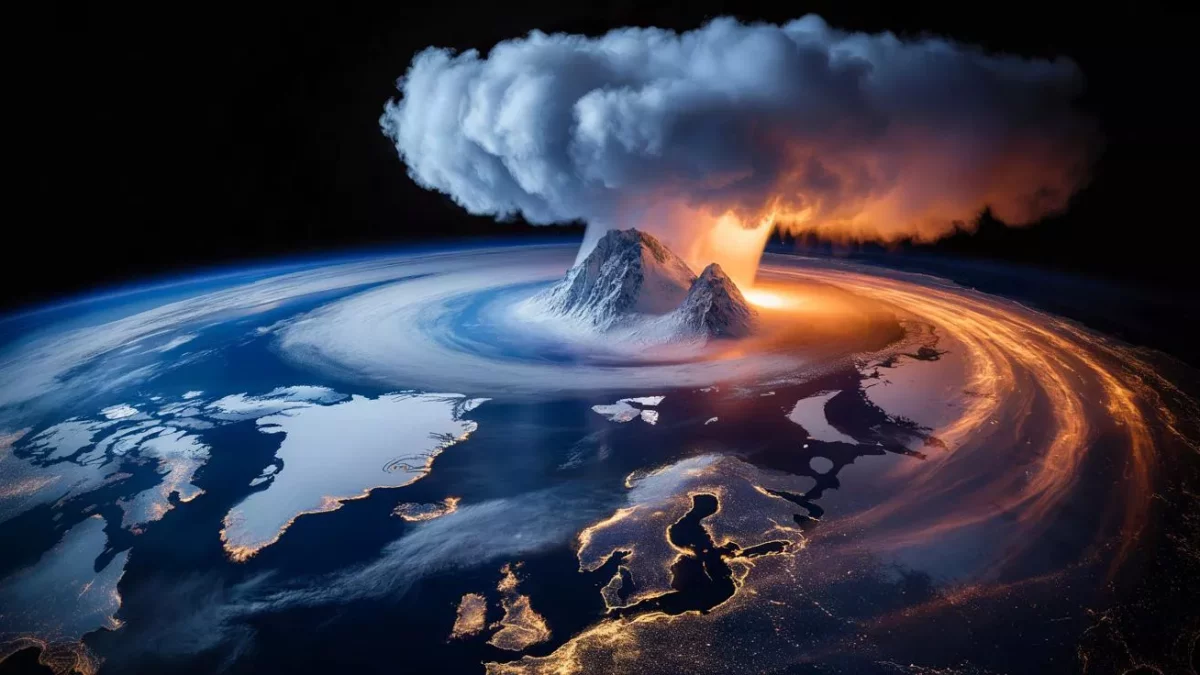
As the world emerges from the icy grip of winter, a profound and unsettling disturbance is brewing in the Arctic. Meteorologists are sounding the alarm over a rapidly developing polar vortex crisis that is set to rewrite the rules of global weather patterns. But what exactly is happening, and why should we care? The chilling answers may surprise you.
This year’s polar vortex disruption is no ordinary weather event. It’s a seismic shift in the delicate balance of the Arctic’s atmospheric systems, with far-reaching implications that stretch from the frozen north to the temperate regions of the planet. The implications are as complex as they are concerning, and understanding the driving forces behind this crisis is crucial if we hope to navigate the challenges that lie ahead.
Unraveling the Mysteries of the Polar Vortex
The polar vortex is a crucial player in the global climate system, a swirling mass of frigid air that typically encircles the North Pole. When functioning normally, it helps to lock in the cold air and prevent it from spilling southward. But this year, something has gone terribly wrong.
Meteorologists have observed a dramatic split in the polar vortex, with the once-cohesive system fracturing into multiple smaller vortices. This unusual behavior is triggering a cascade of effects, unleashing waves of Arctic air that are plunging deeply into mid-latitude regions, causing record-breaking cold snaps and disrupting weather patterns worldwide.
The implications of this polar vortex disruption are far-reaching, with the potential to impact everything from energy systems and infrastructure to agriculture and wildlife. As we delve deeper into this unfolding crisis, it’s clear that the stakes have never been higher.
The Driving Forces Behind the Polar Vortex Breakdown
While the mechanics behind this year’s polar vortex disruption are complex, experts have identified several key factors at play. Chief among them is the rapid warming of the Arctic, a phenomenon driven by climate change and the melting of Arctic sea ice.
As the Arctic warms, it disrupts the temperature gradient between the equator and the North Pole, which is the primary driver of the polar vortex. This weakens the vortex, allowing it to become increasingly unstable and susceptible to splitting apart.
Another contributing factor is the influence of atmospheric waves, known as Rossby waves, which can interact with the polar vortex and trigger its disruption. These waves are influenced by a variety of factors, including changes in sea surface temperatures and the distribution of land and ocean masses.
The Chilling Consequences of Polar Vortex Disruption
The consequences of this year’s polar vortex disruption are already being felt around the world. In regions that typically experience mild winters, the influx of Arctic air has led to record-breaking cold snaps, causing widespread disruption to energy systems, transportation, and daily life.
The agricultural sector has also been hit hard, with crops and livestock suffering the effects of the extreme cold. Ecologists are concerned about the long-term impacts on sensitive Arctic ecosystems, where wildlife may struggle to adapt to the rapidly changing conditions.
But the ripple effects of this crisis extend far beyond the immediate weather patterns. Researchers warn that the disruption of the polar vortex could have profound implications for global climate patterns, potentially altering ocean currents, precipitation levels, and the frequency and intensity of extreme weather events.
Adapting to a Changing Arctic: Challenges and Opportunities
As the world grapples with the fallout from this year’s polar vortex disruption, there is a growing recognition that we must adapt to the changing realities of the Arctic. This will require a multi-faceted approach, involving investments in infrastructure resilience, advancements in scientific research, and the development of policies and strategies to mitigate the impacts of climate change.
- ➡China’s Space Station Discovers Mysterious Unidentified Orbiting Object
- ➡Farewell to the Microwave — Households Embrace a Faster, Cleaner Cooking Revolution
- ➡Newborn Supplement Australia 2026: Who Gets It and How to Apply…
- ➡Discover the Incredible 92-Year-Old’s Secret to Staying Fit and Youthful Well Into Her 60s and Beyond
Experts suggest that one of the key priorities should be strengthening the resilience of critical systems, such as energy grids and transportation networks, to withstand the shocks of extreme weather events. Additionally, there is a pressing need to expand scientific data collection and monitoring efforts in the Arctic, in order to better understand the complex processes at play and inform future planning.
Ultimately, the resolution of this crisis will depend on our ability to respond with a sense of urgency and a commitment to long-term, sustainable solutions. By working together and harnessing the power of science, innovation, and collective action, we can hope to navigate the challenges ahead and build a more resilient, climate-adaptive future.
Lessons Learned and the Path Forward
The polar vortex crisis of 2023 serves as a stark reminder of the profound and unpredictable impacts of climate change on our global weather systems. As we grapple with the fallout from this disruption, it’s clear that the time for action is now.
By better understanding the complex drivers behind the polar vortex breakdown, we can work to develop more effective strategies for mitigating and adapting to the consequences. This may involve investing in infrastructure upgrades, enhancing early warning systems, and fostering international collaboration to address the challenges posed by a rapidly changing Arctic.
Ultimately, the path forward will require a combination of scientific research, policy innovation, and public engagement. Only by confronting the realities of the polar vortex crisis head-on can we hope to build a more resilient and sustainable future for ourselves and generations to come.
The Broader Climate Context: A Global Perspective
It’s important to recognize that the polar vortex disruption is not an isolated event, but rather part of a larger, interconnected web of climate-related challenges facing the world. From the melting of glaciers and sea ice to the increasing frequency and intensity of extreme weather events, the impacts of climate change are being felt across the globe.
By examining the polar vortex crisis through a broader lens, we can gain a more comprehensive understanding of the complex and dynamic nature of our climate system. This, in turn, can inform the development of more holistic and effective solutions that address the root causes of these issues, rather than simply treating the symptoms.
As we navigate this uncharted territory, it’s crucial that we approach the challenges with a spirit of collaboration, innovation, and a deep commitment to scientific inquiry. Only by working together and harnessing the full power of our collective knowledge and resources can we hope to create a more resilient and sustainable future for all.
- ➡Flying in 2026? Passport Rule Changes Australian Seniors Should Know…
- ➡The Shocking Truth: How a $11 Dropout Rebuilt His Life and Reconnected with His Father After Years of Silence
- ➡What Italian Chefs Don’t Want You to Know About Perfect Pasta Sauce
- ➡A Small Habit That’s Reshaping Entire Regions of China
| Key Facts About the Polar Vortex Disruption | Impact on Global Weather Patterns |
|---|---|
|
|
“The polar vortex disruption is a wake-up call for the world. It’s a stark reminder that the climate crisis is not a distant threat, but a very real and present danger that is already altering the fundamental systems that sustain our planet.”
– Dr. Emily Thornton, Climate Scientist, University of Alaska Fairbanks
As the world grapples with the challenges posed by the polar vortex crisis, it’s clear that we are facing a pivotal moment in the fight against climate change. The decisions and actions we take in the coming years will shape the future of our planet and the lives of generations to come.
“This polar vortex disruption is a clarion call for urgent, coordinated action on climate change. We must invest in resilient infrastructure, expand scientific research, and develop bold policies to mitigate the impacts of a rapidly changing Arctic. Failure to do so will have catastrophic consequences for us all.”
– Sarah Kempter, Policy Analyst, World Wildlife Fund
Frequently Asked Questions
What is the polar vortex, and why is it important?
The polar vortex is a swirling mass of cold air that typically encircles the North Pole. It plays a crucial role in the global climate system by helping to lock in cold air and prevent it from spilling southward. When the polar vortex is disrupted, it can trigger extreme cold snaps and disrupt weather patterns worldwide.
What caused the polar vortex to break apart this year?
The primary driver of the polar vortex disruption is the rapid warming of the Arctic, which is a result of climate change and the melting of Arctic sea ice. This weakens the temperature gradient between the equator and the North Pole, destabilizing the polar vortex and making it more susceptible to splitting apart.
- ➡Doctors Gave Me 6 Months to Live, But I Defied the Odds 11 Years Later — Then I Got This Unexpected Letter
- ➡The Dangerous Toilet Hack You’re Probably Using Right Now (And Why You Need to Stop)
- ➡Satellite Internet Just Arrived On Your Smartphone And It’s Changing Everything
- ➡17 Hair Hacks That Make Fine Hair Look Thicker Instantly
How are the impacts of the polar vortex disruption being felt around the world?
The influx of Arctic air triggered by the polar vortex disruption has led to record-breaking cold snaps in many regions, causing widespread disruption to energy systems, transportation, and daily life. The agricultural sector has also been hit hard, with crops and livestock suffering the effects of the extreme cold. Ecologists are concerned about the long-term impacts on sensitive Arctic ecosystems.
What can be done to mitigate the impacts of the polar vortex crisis?
Experts suggest that a multi-faceted approach is needed, involving investments in infrastructure resilience, advancements in scientific research, and the development of policies and strategies to address the root causes of climate change. This may include upgrading energy grids, enhancing early warning systems, and fostering international collaboration to protect the Arctic and build a more sustainable future.
Is the polar vortex disruption a one-time event, or is it part of a larger trend?
The polar vortex disruption is not an isolated incident, but rather part of a broader pattern of climate-related challenges facing the world. As the Arctic continues to warm and the climate system becomes increasingly unstable, the risk of similar polar vortex events and other extreme weather occurrences is expected to increase. Addressing this crisis will require a long-term, holistic approach to climate change mitigation and adaptation.
How can the general public help address the polar vortex crisis?
Individual actions, such as reducing energy consumption, supporting renewable energy, and advocating for climate-friendly policies, can all contribute to the collective effort to address the polar vortex crisis. Additionally, staying informed, supporting scientific research, and engaging with local and national leaders can help drive the necessary changes to build a more resilient and sustainable future.
What opportunities might the polar vortex disruption present?
While the polar vortex crisis presents significant challenges, it also offers opportunities for innovation and progress. The need to adapt to the changing climate can spur advancements in renewable energy, infrastructure resilience, and scientific understanding of the Arctic. Additionally, the crisis may serve as a catalyst for greater international cooperation and the development of more holistic, long-term solutions to the climate change challenge.
How can we ensure that the lessons of the polar vortex crisis are not forgotten?
Ensuring that the lessons of the polar vortex crisis are not forgotten will require a sustained commitment to public education, scientific research, and policy development. This may involve the creation of dedicated task forces, the establishment of long-term monitoring and data collection programs, and the integration of climate resilience into all aspects of our infrastructure and decision-making processes. Only by maintaining a vigilant and proactive approach can we hope to build a more resilient and sustainable future.