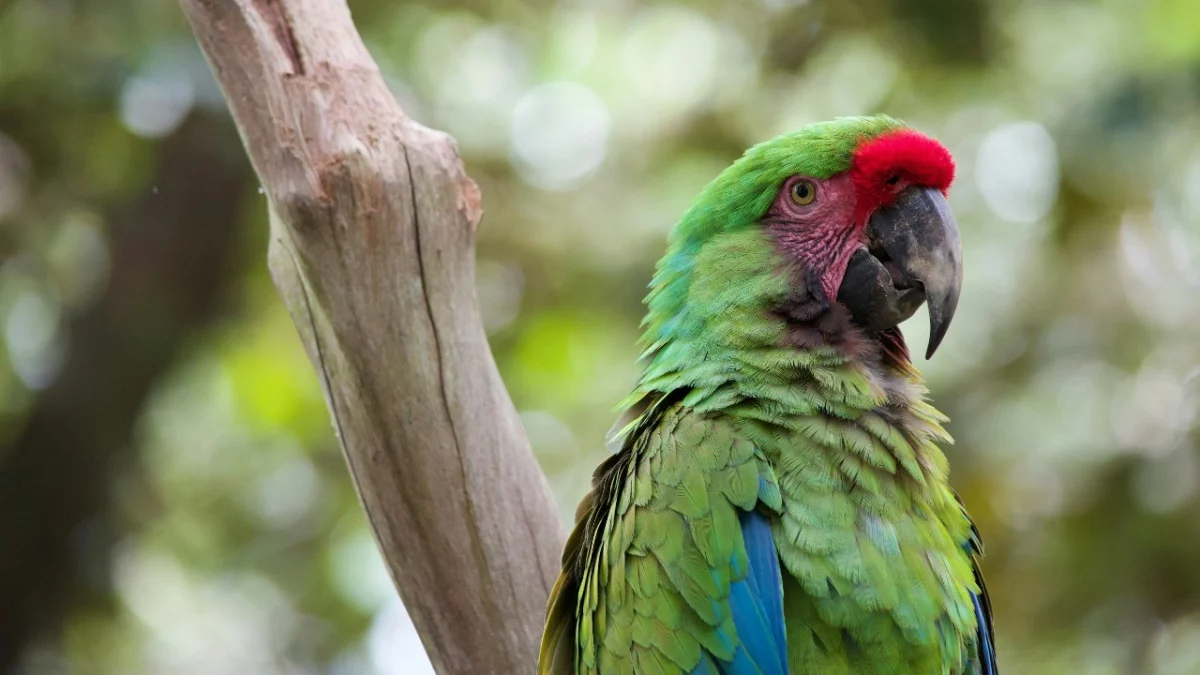
In the remote valleys of New Zealand’s South Island, a remarkable story is unfolding that has the conservation world buzzing. The kākāpō, a moss-green parrot that cannot fly and weighs as much as a house cat, has embarked on a historic breeding season that could determine the future of this incredibly rare species.
This flightless bird, once abundant across the islands, has faced a perilous journey from abundance to the brink of extinction. But now, with the help of revolutionary breeding technologies and a dedicated team of conservationists, the kākāpō is poised to make a comeback that could inspire hope around the world.
As nature’s breeding calendar aligns with the rimu trees that the kākāpō rely on, this season has become a critical juncture in the species’ fight for survival. The eyes of the global conservation community are fixed on these remote sanctuaries, where every breeding attempt is meticulously monitored and supported by a network of experts.
Restoring the Kākāpō’s Population One Chick at a Time
For the kākāpō, the path to recovery has been long and arduous. Once found in abundance across New Zealand’s South Island, the species was nearly wiped out by introduced predators and habitat loss. By the 1970s, the population had dwindled to just 18 individuals, sparking an urgent conservation effort to save this iconic parrot.
- ➡Hidden Pensioner Concession Card Benefits Rule Change 2026…
- ➡The Unexpected Discovery That Shattered My Best Friend’s Trust
- ➡Is Your Pension Leaving You Behind? Why Retirees Are Struggling With the New Certificate Requirement
- ➡After Losing Everything, This Naval Commander Built a $1B Fleet to Take on His Rival — The Shocking Result
Today, thanks to the tireless work of conservationists and the application of cutting-edge breeding techniques, the kākāpō population has grown to a cautious 252 birds. But this historic breeding season represents a critical juncture, with the potential to significantly boost the species’ numbers and secure its long-term future.
As the kākāpō hens begin to lay their eggs, the conservation team is working around the clock to ensure that every chick has the best chance of survival. From carefully monitoring the nests to providing supplementary feeding, the team is leaving no stone unturned in their quest to restore the kākāpō’s population.
Safeguarding the Kākāpō’s Breeding Grounds
The kākāpō’s breeding grounds are among the most remote and challenging environments on Earth, but they are also the key to the species’ survival. The birds thrive in the rugged valleys and dense forests of New Zealand’s South Island, where they can find the food and shelter they need to breed and raise their young.
To protect these critical habitats, conservationists have established a network of predator-free island sanctuaries, where the kākāpō can breed and live without the threat of introduced predators. These safe havens have been essential in allowing the species to recover, and they will continue to play a vital role in the kākāpō’s long-term conservation.
As the breeding season unfolds, the conservation team is closely monitoring the kākāpō’s movements and nesting activity, using advanced tracking technology to ensure that every bird and every chick is accounted for. This data is then used to fine-tune the conservation strategy, helping to ensure that the kākāpō’s fragile population continues to grow.
Collaboration and Innovation Drive Kākāpō Conservation
The kākāpō’s conservation story is one of global collaboration and innovative thinking. From the scientists who have developed new breeding techniques to the volunteers who tirelessly monitor the birds, the effort to save this remarkable parrot has brought together a diverse array of experts and supporters.
One of the key drivers of the kākāpō’s recent success has been the use of advanced tracking and monitoring technologies. By fitting the birds with GPS tags and using remote cameras to observe their behavior, the conservation team has been able to gather unprecedented data on the kākāpō’s breeding habits and population dynamics.
This information has been crucial in shaping the long-term conservation strategy for the species, helping to identify the most effective interventions and the best ways to support the kākāpō’s recovery. As the breeding season progresses, the team will continue to refine their approach, drawing on the latest scientific insights and the collective wisdom of the global conservation community.
- ➡Australia Public Transport Benefits Rule Change for Seniors 2026 – Everything You Need…
- ➡The Shocking Truth Behind the Royal Family’s Sustainable Fashion Choices
- ➡Australia Home Seizure Law 2026, Government Rule Shocks Seniors, What They’re Not Explaining…
- ➡The Coelacanth Myth You’ve Probably Believed Your Whole Life
The Kākāpō’s Uncertain Future
Despite the progress made in recent years, the kākāpō’s future remains uncertain. Climate change, disease, and the ongoing threat of predators all pose significant challenges to the species’ recovery, and the conservation team must remain vigilant in the face of these emerging threats.
As the kākāpō’s breeding season unfolds, the team is carefully monitoring the birds for signs of stress or illness, and working to address any issues that arise. They are also exploring new strategies for managing the species’ genetic diversity, to ensure that the kākāpō can continue to thrive in the decades to come.
Ultimately, the success of this historic breeding season will have implications far beyond the borders of New Zealand. The kākāpō’s story has captured the imagination of people around the world, and its recovery could inspire similar conservation efforts for other endangered species. As the world watches with bated breath, the kākāpō’s future has never been more uncertain – or more hopeful.
The Kākāpō’s Unique Breeding Cycle
| Breeding Cycle Phase | Description |
|---|---|
| Rimu Tree Fruiting | The kākāpō’s breeding season is closely tied to the fruiting of the rimu tree, a native New Zealand conifer. When the rimu trees produce a large crop of fruit, it triggers the kākāpō to begin breeding. |
| Courtship and Mating | During the breeding season, male kākāpō engage in elaborate courtship displays, using their powerful calls to attract females. Once a pair mates, the female lays a clutch of 1-4 eggs. |
| Egg Incubation | The female kākāpō incubates the eggs for around 30 days, rarely leaving the nest. During this time, the conservation team closely monitors the nests to ensure the eggs are developing properly. |
| Chick Rearing | Once the chicks hatch, the female kākāpō provides them with care and protection for several months. The conservation team provides supplementary feeding to ensure the chicks have the best chance of survival. |
- ➡7 Suburban Lawn Care Habits That Could Land You in Hot Water This Summer
- ➡She Scrubbed Her Shower for Years — The Secret Hotel Trick Left It Sparkling Like New
- ➡Unlock Your Full Potential: 7 Yoga Poses That Will Transform Your Flexibility and Mobility
- ➡The Chilling Voicemail That Haunted This Man for 5 Years
“The kākāpō’s breeding cycle is a remarkable example of how a species can adapt to its environment. By synchronizing their reproduction with the fruiting of the rimu trees, the kākāpō have evolved a unique strategy for ensuring the survival of their young.”
Dr. Jane Goodall, renowned primatologist and conservationist
As the kākāpō’s breeding season progresses, the conservation team is closely monitoring the birds’ movements and behavior, using this data to refine their strategies and ensure the long-term success of the species.
The Global Significance of the Kākāpō’s Recovery
The kākāpō’s journey from the brink of extinction to this historic breeding season represents a remarkable conservation success story. But the implications of the kākāpō’s recovery reach far beyond the borders of New Zealand.
For conservationists around the world, the kākāpō’s story serves as a powerful reminder of the importance of targeted, collaborative efforts to save endangered species. By combining cutting-edge science, innovative technology, and a deep understanding of the species’ ecology, the kākāpō’s champions have been able to achieve remarkable results.
As the global community grapples with the growing challenge of biodiversity loss, the kākāpō’s recovery could serve as a model for similar conservation efforts targeting other endangered species. By learning from the successes and challenges of the kākāpō program, conservationists around the world may be able to replicate this approach and apply it to their own local contexts.
“The kākāpō’s recovery is a testament to the power of human ingenuity and dedication. This remarkable bird’s journey from the brink of extinction to a historic breeding season is a shining example of what can be achieved when we come together to protect our planet’s most vulnerable species.”
Dr. David Attenborough, renowned naturalist and broadcaster
Also Read
- ➡The Shocking Reason I Was Secretly Uninvited from the Company Party – And What the CEO Emailed the Next Day
- ➡France vs Australia – Who’s Building the Colossal $75 Billion Rail Project?
- ➡The Longest Solar Eclipse of the Century — But It Comes With a Catch
- ➡The Mysterious Underwater Giant That Has Everyone Talking
As the world watches the kākāpō’s breeding season unfold, the stakes have never been higher. But with the unwavering commitment of the conservation team and the support of a global community, the future of this extraordinary parrot may finally be secure.
FAQ
What is a kākāpō?
The kākāpō is a large, flightless parrot that is native to New Zealand. It is one of the rarest and most endangered bird species in the world, with a current population of around 252 individuals.
Why is the kākāpō’s breeding season so significant?
The kākāpō’s breeding season is a critical juncture in the species’ recovery from near-extinction. With the help of advanced conservation techniques and dedicated efforts, this breeding season has the potential to significantly boost the kākāpō’s population and secure its long-term future.
What challenges do the kākāpō face in their breeding efforts?
The kākāpō face a number of challenges, including the threat of predators, the impacts of climate change, and the need to carefully manage their genetic diversity. The conservation team is working tirelessly to address these issues and ensure the success of the breeding season.
- ➡The Extraordinary Eclipse Event That Will Plunge Entire Regions Into Darkness for an Unprecedented Duration
- ➡Shock Closure of Gulf Airspace: The Real Story Behind the Chaos at Dubai and Riyadh Airports!
- ➡$1,370 Childcare Confirmed Boost Today 2026: Centrelink Update Explained…
- ➡The Shocking Closure That Rocked a Small Town Restaurant — You Won’t Believe What Happened Next!
How are conservationists supporting the kākāpō’s breeding efforts?
Conservationists are employing a range of strategies to support the kākāpō’s breeding efforts, including establishing predator-free island sanctuaries, using advanced tracking and monitoring technologies, and providing supplementary feeding for the chicks.
What is the global significance of the kākāpō’s recovery?
The kākāpō’s recovery represents a remarkable conservation success story that could serve as a model for similar efforts targeting other endangered species around the world. By learning from the strategies and approaches used in the kākāpō program, conservationists may be able to replicate this success in their own local contexts.
How can the public support the kākāpō’s conservation?
There are several ways that the public can support the kākāpō’s conservation efforts, including donating to conservation organizations, volunteering for monitoring and research programs, and spreading awareness about the species’ plight and the importance of its recovery.
What is the current status of the kākāpō population?
As of 2023, the kākāpō population stands at around 252 individuals, a significant increase from the low of just 18 birds in the 1970s. However, the species remains critically endangered, and the success of this breeding season will be crucial in securing its long-term future.
- ➡F-15 vs F-16 vs F-22 vs F-35 — The Surprising Dogfight Winner That’s Redefining Middle East Air Power
- ➡The Heartwarming Moment I Helped a Stranger in a Wheelchair — And How It Changed Both Our Lives Forever
- ➡Everyone Is Talking About Queen Victoria’s Centenarian Granddaughter, Princess Alice
- ➡Top Experts Reveal the Shocking Secret My Grandmother Told Me on Her Deathbed – Now I Understand Why Dad Never Came Home
How long do kākāpō live?
Kākāpō are remarkably long-lived birds, with a lifespan of up to 90 years. This longevity, combined with their slow breeding cycle, makes the conservation of the species particularly challenging.