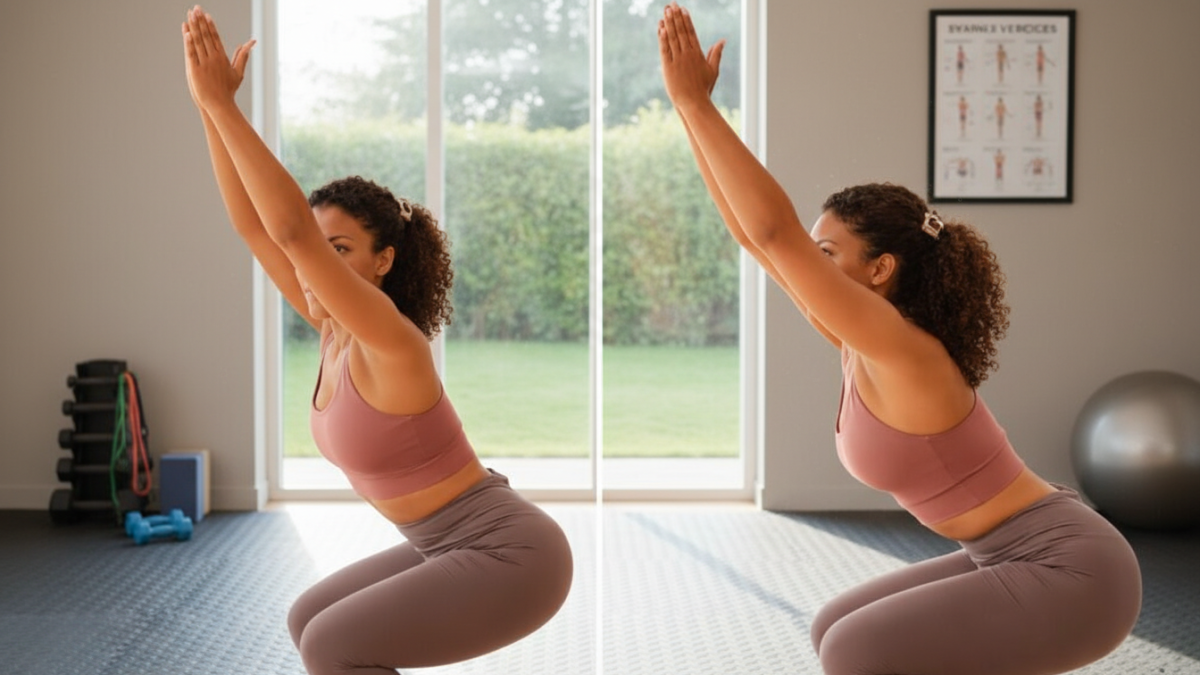
Imagine being stronger, more agile, and more resilient at 60 than you were at 40. Impossible, you say? Think again. While conventional wisdom tells us that strength naturally declines with age, a growing body of research suggests that the right training approach can actually help you defy gravity and become more robust than ever before.
In this groundbreaking article, we’ll reveal the 4 standing exercises that can turn back the clock on your physical abilities, helping you stay stronger, more mobile, and more energetic well into your golden years. Prepare to be shocked by the real power of your 60-year-old body.
Why Standing Exercises Are a Game-Changer After 60
As we age, muscle mass and bone density naturally start to decline, making us more prone to injury and loss of function. However, research shows that the secret to defying this trend lies in the way we train. Standing exercises, in particular, have been proven to be remarkably effective at preserving and even building strength as we get older.
Unlike seated or lying exercises, standing movements force you to engage your core, balance, and stabilizing muscles to a much greater degree. This full-body activation leads to significant improvements in overall strength, flexibility, and proprioception—your body’s ability to sense its own position and movement in space.
By mastering just 4 key standing exercises, you can unlock a level of strength and resilience that most people assume is out of reach in their 60s. Get ready to defy the aging process and step into a new era of vibrant, youthful vitality.
The Goblet Squat: Your Foundation for Lower Body Strength
The goblet squat is the ultimate lower-body exercise for older adults. By holding a dumbbell or kettlebell at your chest, you’ll engage your core to a much greater degree than a traditional bodyweight squat. This reinforces proper movement patterns and helps to bulletproof your hips, knees, and ankles against injury.
Start with a weight you can handle comfortably for 10–12 reps, focusing on sitting your hips back, keeping your chest up, and maintaining control throughout the full range of motion. As you get stronger, gradually increase the load to continue challenging your muscles and joints.
The goblet squat is the perfect gateway to more advanced leg exercises like barbell back squats and deadlifts. Master this foundational movement, and you’ll build a rock-solid lower-body foundation that will serve you well for years to come.
The Overhead Press: Building Shoulder and Core Power
While the overhead press may seem like an advanced exercise, it’s actually one of the best movements for developing total-body strength and stability as you get older. By pressing a weight overhead, you’ll engage your shoulders, core, and legs in a coordinated, functional pattern.
Start light, using just a barbell or pair of dumbbells, and focus on maintaining a neutral spine, engaging your core, and driving the weight up with control. As you get stronger, you can progress to standing military presses or even push presses, which incorporate a slight dip and drive from the legs.
The overhead press is a true test of overall body strength and coordination. Master this movement, and you’ll not only build impressive overhead pressing power, but you’ll also develop the core stability and shoulder resilience to ward off common aches and pains.
The Reverse Lunge: Single-Leg Strength and Balance
Single-leg exercises like the reverse lunge are essential for maintaining functional strength and balance as you age. By challenging each leg independently, you’ll target muscle imbalances, improve proprioception, and reduce your risk of falls and injuries.
- ➡11 Astronomical Wonders That Redefine Our Understanding of the Universe
- ➡The Secret Behind Your Dog’s Inseparable Bond: A Startling Reveal You Won’t Believe
- ➡Is Brazil’s Harpy Eagle Chick the Key to Saving the Species?
- ➡You Won’t Believe What This Stranger Said to Me on the Street – It Completely Rewired My Thinking
Start with just your bodyweight, focusing on maintaining an upright torso and smooth, controlled movement. As you get stronger, you can add a dumbbell or kettlebell in the opposite hand to increase the challenge.
The reverse lunge is a versatile exercise that can be performed for lower reps to build strength or higher reps to improve endurance and mobility. Incorporate it into your routine, and you’ll develop the single-leg power and balance needed to tackle everyday tasks with ease.
The Farmer’s Carry: Grip Strength and Total Body Resilience
Grip strength is often overlooked, but it’s a critical component of overall physical function, especially as we get older. The farmer’s carry is a simple yet incredibly effective exercise that targets your grip while also engaging your entire body in a functional, full-body movement.
To perform the farmer’s carry, simply pick up a heavy dumbbell or kettlebell in each hand and walk for 30–60 seconds. Focus on keeping your core braced, your shoulders packed, and your posture tall as you move.
This exercise not only builds grip strength but also reinforces proper lifting mechanics, improves core stability, and challenges your cardiovascular fitness. Incorporate the farmer’s carry into your routine, and you’ll develop the total-body resilience needed to tackle any physical challenge that comes your way.
| Exercise | Primary Benefits | How to Perform |
|---|---|---|
| Goblet Squat |
|
|
| Overhead Press |
|
|
Structuring Your Weekly Training Program
To get the most out of these 4 standing exercises, it’s important to incorporate them into a well-rounded weekly training program. Aim for 2–3 full-body strength sessions per week, using the goblet squat, overhead press, and reverse lunge as the foundation of your workouts.
Start each session with a compound movement like the goblet squat or overhead press, then follow up with accessory exercises to target specific muscle groups. Finish with the farmer’s carry to challenge your grip and overall body strength.
- ➡Stop Charging Your Phone Before Bed! The Dangerous Truth About the Upcoming Solar Eclipse
- ➡The Heartbreaking Airport Mystery: 14 Hours of Waiting, But Her Loved One Never Arrived
- ➡Unlock the Secret to Happiness After 70: Ditch the Purpose and Find Freedom
- ➡The Shocking Secrets 1960s Families Had That Today’s Kids Can’t Fathom
Remember to allow for adequate rest and recovery between sessions. Older adults often require a bit more time to bounce back, so listen to your body and adjust your training volume and intensity accordingly.
Nutrition and Recovery: Making Strength Gains Stick
Building strength and resilience at 60 and beyond isn’t just about your training program—it’s also heavily influenced by your nutrition and recovery habits. To support muscle growth and joint health, be sure to:
| Nutrition | Recovery |
|---|---|
|
|
By fueling your body properly and giving it the rest it needs to recover and adapt, you’ll be able to make sustainable strength gains that will serve you well for years to come.
Progression and Long-Term Adaptation
As with any strength training program, progression is key to continued improvement. Over time, gradually increase the weight, reps, or volume of your standing exercises to keep challenging your muscles and joints.
“The key to maintaining strength as you age is to continually push the boundaries of what you’re capable of. It’s not about lifting the heaviest weight possible, but rather consistently challenging yourself to get a little bit stronger with each passing week or month.”
– Dr. Sarah Williams, Exercise Physiology Researcher
Remember, the goal isn’t to maximize your one-rep max on these exercises. Instead, focus on building overall strength, power, and resilience through smart, sustainable progression. This approach will help you avoid injury and maintain your gains for the long haul.
- ➡The Pebble Egg Myth That’s Costing Gardeners Thousands
- ➡The Heartbreaking Reason I’ve Waited 7 Years for a Man Who Never Showed Up — Until a Stranger Changed Everything
- ➡The Shocking Inheritance Law That Could Upend Your Family Fortune Forever
- ➡The Shocking Truth Behind Why He Left Her at the Altar – You Won’t Believe What Happened Next
Common Mistakes and How to Avoid Them
As with any fitness program, there are a few common pitfalls to watch out for when incorporating these 4 standing exercises into your routine:
- Rushing the movement: Take your time and focus on proper form, especially on the eccentric (lowering) portion of each exercise.
- Ego lifting: Start light and gradually increase the load as you get stronger. Lifting too heavy too soon can lead to injury.
- Neglecting recovery: Allow for adequate rest and recovery between sessions to avoid burnout and ensure your muscles have time to rebuild and grow.
- Skipping the fundamentals: Don’t neglect the basics like the goblet squat and overhead press. These foundational movements should be the backbone of your program.
By being mindful of these common mistakes, you’ll be able to make consistent progress and avoid setbacks that could derail your strength-building journey.
Real Results: What Transformation Looks Like
Don’t just take our word for it—hear from real people who have transformed their strength and resilience in their 60s and beyond:
“I never thought I’d be able to squat and press like I can now. At 65, I’m stronger and more mobile than I was 10 years ago. These standing exercises have been life-changing.”
Also Read
- ➡Stop Relying on Others for Validation – The Dangerous Truth About Modern Adult Independence
- ➡Renowned Chefs Reveal Their Mornay Sauce Secrets for Unbeatable Vegetable Gratins
- ➡Goodbye to Old Centrelink Rates: New Payment Amounts Begin in April 2026
- ➡Top Experts Reveal the Shocking Secret My Grandmother Told Me on Her Deathbed – Now I Understand Why Dad Never Came Home
– John, 65, Retired Engineer
“The farmer’s carries have made a huge difference in my grip strength and overall body control. I feel so much more confident and capable in my day-to-day life.”
– Lisa, 62, Yoga Instructor
“I used to struggle with simple tasks like carrying groceries or getting up from a chair. But after just a few months of consistently doing these exercises, I’ve regained my strength and independence. It’s been truly remarkable.”
Also Read
- ➡Unexpected Twist in the Desert: The Uranium Discovery That Could Reshape the Global Nuclear Landscape
- ➡The Shocking Truth About LED Headlights That Every Driver Needs to Know
- ➡The Shocking Truth: How My Coworker Stole My Idea and Landed the Big Promotion I Deserved
- ➡17 Shocking Military Breakthroughs That Will Change the Future of Warfare
– David, 68, Retired Accountant
These stories are a testament to the power of these 4 standing exercises. With dedication and consistency, you too can defy the aging process and reclaim the strength, mobility, and vitality you thought you had lost.
Starting Your Journey This Week
Ready to take the first step towards a stronger, more resilient future? Incorporate these 4 standing exercises into your weekly routine, and get ready to experience the transformative power of strength training at 60 and beyond.
Remember, the key is to start light, focus on proper form, and gradually increase the challenge over time. With patience and persistence, you’ll be well on your way to becoming stronger than ever before.
FAQs About Standing Exercises for People Over 60
How often should I do these exercises?
Aim for 2-3 full-body strength training sessions per week, using the 4 standing exercises as the foundation of your workouts. Allow for 1-2 days of rest between sessions to ensure proper recovery.
Can I do these exercises if I have joint pain or mobility issues?
Absolutely. Start with a lighter load and focus on proper form. Over time, you can gradually increase the challenge as your strength and mobility improve. It’s important to listen to your body and make adjustments as needed.
What’s the best way to progress these exercises?
Gradually increase the weight, reps, or volume of each exercise over time. Focus on building overall strength and resilience, rather than chasing personal bests. Consistency and sustainable progression are the keys to long-term success.
How can I stay motivated to stick with this program?
Keep track of your progress, celebrate your wins, and don’t be afraid to mix things up from time to time. Enlist the support of friends or family members, and remember to enjoy the journey. The transformation you’ll experience will be the ultimate motivator.
What if I don’t have access to weights or equipment?
You can still get a great workout with just your bodyweight. Try variations like bodyweight squats, push-ups, and lunges. Get creative and focus on challenging your muscles in new ways.
Can I do these exercises if I have a physical limitation or disability?
Yes, with some modifications. Consult a qualified fitness professional who can help you adapt the exercises to your specific needs and abilities. The key is to find movements that challenge you safely and effectively.
How long will it take to see results?
Everyone’s journey is different, but you can expect to start seeing improvements in strength, mobility, and overall function within 4-8 weeks of consistent training. Stay patient, trust the process, and keep pushing forward.
Can these exercises help with weight loss?
Absolutely. By building muscle and boosting your metabolism, these standing exercises can be a powerful tool for fat loss and weight management. Just be sure to pair them with a balanced, calorie-appropriate diet for optimal results.
- ➡Centrelink Cost of Living Payments Released Monday 2026 — Full Eligibility & Who Gets Paid…
- ➡Shocking Scorpion Tank Leaves Outdated Challenger 3 in the Dust – The Secret Truth Nobody Told You
- ➡The Untold Story of Mozambique’s Secret Language Between Honey Hunters and Birds
- ➡$931 Government Payment Delay Rule 2026: Australians Urged to Track Claim Status Immediately…