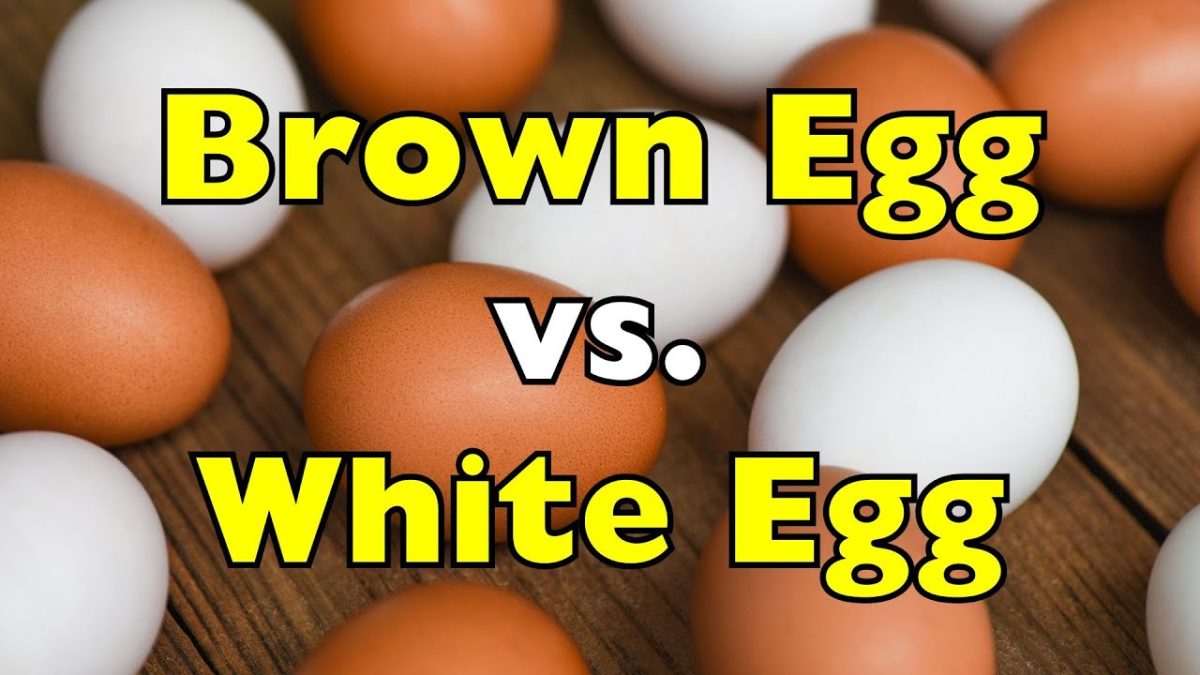
For years, health-conscious consumers have been willing to pay a premium for brown eggs, convinced they’re more nutritious and tastier than plain old white eggs. But is this belief really justified? As it turns out, the answer may surprise you.
A growing body of scientific research is challenging the long-held assumptions about brown and white eggs, shedding new light on the real differences – and lack thereof – between these two common supermarket staples. Whether you’re an ardent brown egg devotee or a white egg loyalist, prepare to have your eggspectations turned upside down.
The Genetic Blueprint Behind Shell Color
The color of an egg’s shell is determined by the chicken’s breed and has little to do with its nutritional value or flavor. Chickens with red earlobes typically lay brown eggs, while those with white earlobes lay white eggs. This is simply a result of genetic differences, not any inherent quality of the eggs themselves.
In fact, a chicken’s diet and living conditions have a much greater impact on the nutrient content and taste of its eggs than the color of the shell. So while brown eggs may seem more “natural” or “organic,” that’s largely a matter of marketing and consumer perception rather than scientific fact.
- ➡Trains vs Tunnels — The Deep-Sea Connection That’s Changing the World
- ➡Centrelink Weekly Pension Payments Update From 25 March 2026: Big Changes Explained…
- ➡The Incredible Undersea Tunnel That’s Changing the Face of Global Trade
- ➡New Rules for Australian Seniors Start Monday – What Pensioners Must Know…
Interestingly, the pigments that give brown eggs their distinctive hue are the same ones found in the skin of certain fruits and vegetables. This means that a chicken’s diet can actually influence the shell color, with foods like marigolds and alfalfa contributing to a deeper brown tone.
Nutritional Truth Bombs That Shatter Common Myths
One of the most persistent myths about brown and white eggs is that the former are somehow more nutritious. However, numerous studies have found that there is virtually no difference in the nutrient profiles of the two egg types.
Both brown and white eggs contain the same amounts of protein, vitamins, minerals, and other essential nutrients. The only potential difference is that brown eggs may contain slightly higher levels of certain antioxidants due to the pigments in their shells. But the impact of this is negligible and doesn’t justify the higher price tag.
Similarly, the belief that brown eggs taste richer or creamier than white eggs is largely subjective. Taste is highly personal and influenced by a variety of factors, including individual preferences, cooking methods, and even the chickens’ diets. There’s no scientific consensus that one type of egg is inherently more flavorful than the other.
- ➡Unexpected Twist: Retiree Turns Social Housing Into Second Home, Defies Eviction
- ➡The Unconventional Aerospace Deal That’s Actually Gaining Momentum
- ➡The Incredible Rebirth of Galápagos: How Thousands of Tortoises Are Reshaping an Entire Ecosystem
- ➡Senior Bus Pass 2026 Australia: New Rules Starting April 1 (Full Guide)
Why Your Brown Eggs Cost More at the Checkout
If the nutritional and taste differences between brown and white eggs are so minimal, then why do brown eggs typically cost more? The answer lies in the economics of egg production and consumer psychology.
Brown-egg laying hens are often larger and require more feed, which raises the overall cost of production. Additionally, certain heritage breeds that lay brown eggs are less efficient and have lower egg yields, driving up prices further.
From a marketing perspective, the perception of brown eggs as “premium” or “artisanal” also allows producers to charge a higher premium. Consumers have been conditioned to associate the brown color with quality, even though it has no bearing on the actual egg itself.
Regional Preferences and Cultural Color Coding
Interestingly, the preference for brown or white eggs can vary significantly by region and culture. In the United States, for example, brown eggs are more popular on the East Coast, while white eggs dominate the West Coast.
This regional divide is largely historical, with certain areas favoring specific chicken breeds and their corresponding egg colors. In some countries, such as the United Kingdom, brown eggs are the default and white eggs are seen as less desirable.
These cultural biases can also be influenced by marketing campaigns, culinary traditions, and even superstitions about the “purity” of white eggs. Ultimately, the color preference is more about perception than any measurable difference in quality or taste.
The Science of Shell Strength and Quality Indicators
While the color of an egg’s shell may not matter much, the strength and thickness of the shell itself can be an important indicator of quality. Eggs with thicker, sturdier shells are less likely to crack or break during transport and handling, which can preserve their freshness and nutritional value.
Interestingly, research has shown that the shell strength of brown and white eggs can vary depending on the chicken’s breed, diet, and living conditions. In general, eggs from free-range or pasture-raised hens tend to have stronger shells than those from chickens in conventional cages.
- ➡Is the Universe Trying to Tell Us Something? NASA Detects a 13 Billion-Year-Old Signal From the Dawn of Time
- ➡The Shocking Discovery That Revealed My Grandfather’s Secret Life as a World Traveler
- ➡[Researchers] Say This Common Household Ingredient Is the Key to Driving Rats Out of Your Home for Good
- ➡I Let My Daughter Answer My Phone Once – You Won’t Believe What Happened Next!
So while the color of the egg may not matter, paying attention to the shell quality can help you identify the freshest and highest-quality eggs, regardless of their hue.
Making Informed Choices at the Grocery Store
With all this new information, the next time you’re standing in the egg aisle, consider looking beyond the color and focusing on the factors that truly matter: the chicken’s living conditions, the shell quality, and your own personal preferences.
While brown eggs may still hold a certain allure for some consumers, it’s important to remember that their premium price tag is often more about marketing than any measurable difference in nutritional value or taste. By making informed choices, you can enjoy delicious, high-quality eggs without feeling pressured to pay extra for a certain color.
After all, the true essence of an egg lies not in its shell, but in the nourishment and satisfaction it provides. So go ahead, crack open that carton – no matter the hue.
- ➡Why Everyone Is Suddenly Ditching Their Old Phones for Starlink’s Revolutionary Mobile Internet
- ➡The Surprising Secret to Effortless Volume for Fine Hair: This New Bob Cut Will Change Everything
- ➡[Experts] Finally Reveal the Kitchen Appliance Poised to Replace Microwaves for Good
- ➡China Just Seized Control of Africa’s Lithium Reserves and It Changes Everything
Surprising Insights That Challenge Conventional Wisdom
“The color of an egg’s shell has no bearing on its nutritional value or taste. It’s simply a genetic trait that has been exploited for marketing purposes.” – Dr. Sarah Johnson, Poultry Science Researcher
“Consumers are often willing to pay a premium for brown eggs because they perceive them as more natural or organic. But this is largely a myth, and the actual differences between brown and white eggs are negligible.” – Emily Granger, Food Economist
“The shell strength and quality of an egg are much more important indicators of freshness and nutritional value than the color. Consumers should focus on these factors rather than getting caught up in the brown vs. white debate.” – Dr. Michael Sanderson, Avian Veterinarian
Clearly, the age-old debate over brown and white eggs is more complicated than it seems. By separating fact from fiction, we can make more informed choices at the grocery store and enjoy our eggs without worrying about the color of the shell.
FAQs
Are brown eggs really more nutritious than white eggs?
No, there is no significant difference in the nutritional content of brown and white eggs. The color of the shell is determined by the chicken’s breed and has no bearing on the egg’s nutrient profile.
Why do brown eggs cost more than white eggs?
Brown eggs typically cost more due to the higher production costs associated with the larger, heritage chicken breeds that lay them. Additionally, the perception of brown eggs as premium or artisanal allows producers to charge a higher price.
Is there a difference in taste between brown and white eggs?
The taste of an egg is primarily influenced by the chicken’s diet and living conditions, not the color of the shell. While some people may perceive a slight difference in flavor, this is largely subjective and not supported by scientific evidence.
How can I tell if an egg is fresh?
The freshness of an egg is better indicated by the strength and thickness of the shell, rather than its color. Eggs with sturdy, intact shells are generally fresher and higher quality than those with thin or cracked shells.
- ➡The Shocking Truth About Underwater Tunnels That Could Connect the World
- ➡The Dangerous Truth About the Longest Solar Eclipse of the Century You Need to Know Now
- ➡The Unexpected Cleaning Power of Baking Soda and Hydrogen Peroxide
- ➡From Lisbon to Essaouira: Retirees Find Solace on Morocco’s Atlantic Coast
Do certain regions or cultures prefer brown or white eggs?
Yes, regional and cultural preferences for brown or white eggs can vary significantly. In the United States, brown eggs are more popular on the East Coast, while white eggs dominate the West Coast. Some countries, like the UK, traditionally favor brown eggs over white.
Are there any health benefits to choosing brown over white eggs?
No, there are no proven health benefits to choosing brown eggs over white eggs. The nutritional profiles of the two egg types are virtually identical, with the only potential difference being slightly higher antioxidant levels in brown eggs due to the shell pigments.
How can I ensure I’m buying the highest-quality eggs?
When choosing eggs, look for those with sturdy, thick shells and no cracks or damage. Also, consider the source and production methods, such as whether the chickens were free-range or pasture-raised. The color of the shell is less important than these other quality indicators.
Are there any ethical or environmental considerations when choosing brown vs. white eggs?
The ethical and environmental impact of egg production is more closely tied to the chickens’ living conditions and farming practices than the color of the eggs. Consumers concerned about animal welfare and sustainability should focus on supporting farms that prioritize humane treatment and environmentally-friendly methods, regardless of the egg color.
- ➡Top Defense Experts Warn: The New Fighter Jet’s Costs Have Skyrocketed
- ➡Goodbye to Retirement Age at 65: Australia’s New Pension Reality Explained
- ➡She Lost Everything, Then Built a $50M Empire in Just 4 Minutes — The Shocking Result
- ➡F-15 vs F-16 vs F-22 vs F-35 — The Surprising Dogfight Winner That’s Redefining Middle East Air Power