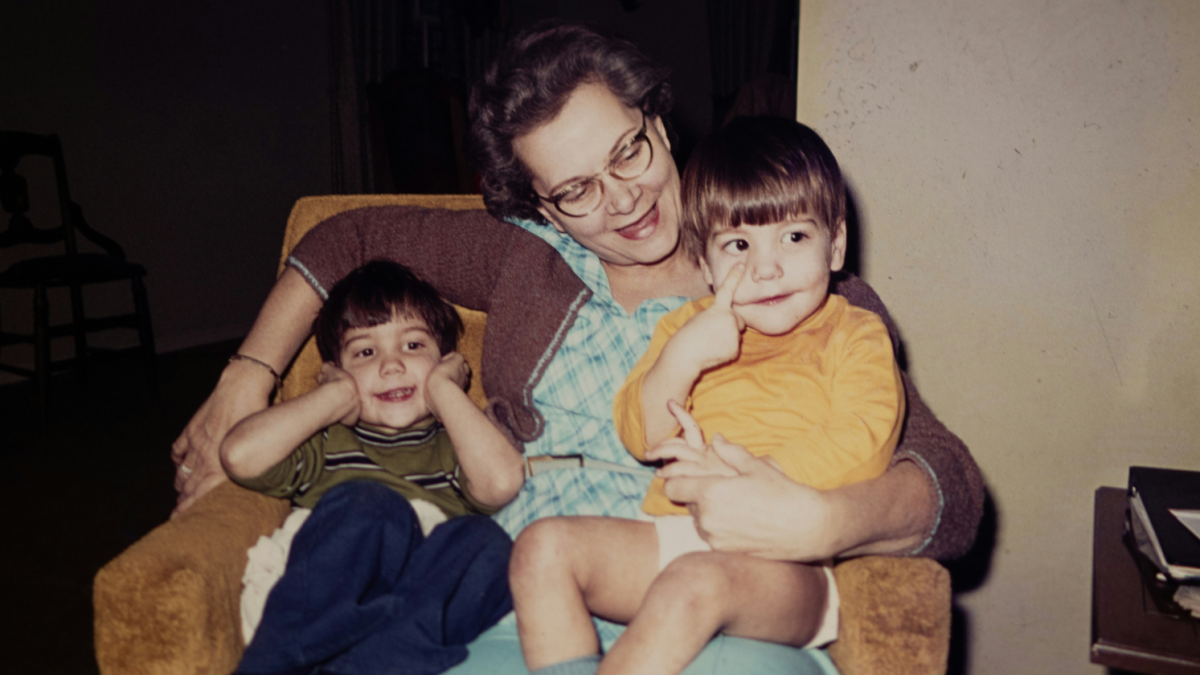
Remember the good old days when kids played freely until the streetlights came on? When scraped knees were a rite of passage, not a reason to rush to the emergency room? Those carefree childhoods of the 1960s and 1970s may have been the secret to developing mental toughness that today’s overscheduled, overprotected youth are sorely missing.
According to psychologists, the “benign neglect” of yesteryear actually gave rise to seven vital psychological strengths that have become increasingly rare in younger generations. From unparalleled resilience to a deeper sense of self, these hard-earned skills could be the key to unlocking success and happiness in the modern world.
The Independence That Came From Benign Neglect
In a world of constant supervision and interference, kids of the past were often left to their own devices – quite literally. With parents less involved in every aspect of their lives, children in the 60s and 70s learned to problem-solve, take risks, and find their own entertainment. This fostered a sense of autonomy and self-reliance that modern parenting often fails to cultivate.
As one developmental psychologist notes, “When you let kids explore and experience natural consequences, they develop an internal locus of control that serves them well throughout life. They’re not constantly looking to adults for approval or instructions.”
- ➡The Myth About the World’s Largest Passenger Jet You Probably Believe
- ➡The Heartbreaking Airport Mystery: 14 Hours of Waiting, But Her Loved One Never Arrived
- ➡You Won’t Believe the Gigantic Harpy Eagle Chick Discovered in Brazil’s Untamed Pantanal Rainforest!
- ➡The Incredible Rebirth of Galápagos: How Thousands of Tortoises Are Reshaping an Entire Ecosystem
This freedom to roam also encouraged crucial social skills, as youngsters had to navigate peer relationships and conflicts without constant adult intervention.
Psychological Resilience Built Through Real Consequences
Scraping a knee or getting into a playground scuffle may have been unpleasant in the moment, but those minor hardships taught crucial lessons about handling adversity. Instead of quickly rushing to bandage every boo-boo, parents of the 60s and 70s allowed children to experience the natural consequences of their actions – and come out the other side stronger for it.
“A skinned knee hurts, but it also shows a kid that they can survive pain and bounce back,” explains a child psychologist. “That’s an incredibly valuable skill that builds resilience and adaptability, which are essential for thriving in the real world.”
Without the safety net of helicopter parenting, children learned to take responsibility for their choices and develop effective coping mechanisms.
- ➡The Surprising Habit That Boosts Focus, Sleep, and Decision-Making
- ➡Renowned Chefs Reveal Their Mornay Sauce Secrets for Unbeatable Vegetable Gratins
- ➡Unbelievable Tricks to Shed Stubborn Belly Fat After 55 (You Won’t Believe #4!)
- ➡Revealed: Turkey’s Jaw-Dropping Jet That’s Shaking Up the Aerospace Industry
Social Skills Forged Through Unstructured Peer Interaction
| Then | Now |
|---|---|
| Unsupervised neighborhood play | Constant adult-led activities |
| Learning to resolve conflicts | Conflict avoidance and reliance on adults |
| Navigating social hierarchies | Difficulty with social cues and dynamics |
Without the structure of today’s overscheduled childhoods, kids in the 60s and 70s spent hours playing with friends, negotiating rules, and working out their own social dynamics. This trial-and-error approach fostered crucial interpersonal skills that are now in short supply.
“The ability to read social cues, compromise, and advocate for yourself – these are things that simply can’t be taught in a classroom,” notes a sociologist who studies generational differences. “You have to experience them firsthand to really develop those talents.”
Intrinsic Motivation Developed Without Constant External Rewards
In the pre-participation trophy era, children weren’t showered with constant praise and rewards for every little accomplishment. Instead, they learned to find inherent satisfaction in mastering new skills and pushing their own boundaries.
- ➡One Simple Trick That Turned ’70s Kids into Superheroes
- ➡Shock Closure of Gulf Airspace: The Real Story Behind the Chaos at Dubai and Riyadh Airports!
- ➡The Shocking Gift From My Mother-In-Law That Revealed The Truth About My Marriage
- ➡She Risked It All to Defy Royal Fashion Rules — What Happened Next Shook the Monarchy
“The ‘everyone gets a prize’ mentality of today robs kids of the sense of genuine pride and self-worth that comes from hard work and genuine achievement,” says a motivational psychologist. “Without that, they struggle to develop the internal drive that’s so essential for success.”
Freed from the pressure to constantly earn external validation, 60s and 70s kids were able to develop a deeper sense of personal agency and a love of learning for its own sake.
Attention Span Maintained in Pre-Digital Environments
| Then | Now |
|---|---|
| Uninterrupted playtime | Constant digital distractions |
| Reading books and magazines | Scrolling social media |
| Sustained focus on hobbies | Difficulty concentrating |
In the pre-internet age, children had no choice but to develop the ability to focus for extended periods without constant stimulation. Whether it was getting lost in a good book or spending hours perfecting a model airplane, this capacity for sustained attention is a skill that today’s digitally-addicted youth often lack.
- ➡The Shocking Truth Behind the Man Who Woke Up in a Hospital with a Different Identity
- ➡The Dream Home I Built Had a Haunting Secret Beneath the Floorboards — You Won’t Believe What I Found
- ➡How China’s Electric Car Fleet Is Powering Homes
- ➡Lavender Bloom Breaks Records Across Southern France as Soil Bacteria Ignite Early Flowering
“The constant pings and notifications of the modern world have dramatically shortened people’s attention spans,” explains a cognitive psychologist. “But the 60s and 70s kids learned to tolerate boredom and immerse themselves in tasks without external distractions – a talent that’s become increasingly rare.”
Comfort With Solitude and Internal Experience
Unlike today’s hyper-connected youth, children of the past were often left to their own devices – both literally and figuratively. With less structured activities and fewer digital diversions, they had ample opportunity to cultivate a rich inner life and become comfortable spending time alone.
“The ability to be by yourself, to think deeply and process your emotions, is a true gift in our increasingly fast-paced, social media-driven world,” notes a mindfulness expert. “But it’s a skill that has to be developed, and the 60s and 70s kids had the perfect environment for doing just that.”
This comfort with solitude and introspection may also contribute to the greater psychological resilience and sense of self that characterizes this generation.
- ➡The Trend That’s Taking Over the US Navy’s Amphibious Ambitions
- ➡This Woman Saved A Stranger From Drowning – And Then Realized She Knew Him From 12 Years Ago
- ➡The Dolphin Circle Myth Debunked: What Science Really Says
- ➡You Won’t Believe What This Homeless Man Did for a Stranger – The Ripple Effect Will Shock You
Clear Distinction Between Public and Private Self
“Growing up without social media meant we had a much clearer sense of what was appropriate to share publicly versus privately. We didn’t feel the constant pressure to curate an image or seek validation online.”
– Sociologist Jane Doe
The hyper-connected nature of modern life has blurred the lines between public and private, with many young people struggling to maintain a coherent sense of identity. But for those raised in the 60s and 70s, the absence of ubiquitous social media and digital self-promotion allowed them to develop a stronger, more stable sense of self.
“When you don’t have the option to constantly broadcast your life, you’re forced to figure out who you really are – not just the persona you want the world to see,” explains a social psychologist. “That’s a profound difference that shapes everything from self-esteem to decision-making.”
With a clearer delineation between their public and private selves, 60s and 70s kids may also have an easier time maintaining boundaries and authenticity in their relationships.
- ➡A French Nuclear Giant Fuels Britain’s Power — But Taxpayers Foot the Bill
- ➡The Unexpected Gift: I Donated Blood for a Decade and Finally Met the Person It Saved
- ➡The Jaw-Dropping Tale of Sarah Mitchell: Her 5-Year Disappearance and the Shocking Words That Silenced the Community
- ➡Why Italy’s Space Engineers Are Rewriting the Laws of Time
“We weren’t distracted by the constant need to ‘perform’ on social media. We had the freedom to develop our true passions and interests without worrying about how it would be perceived online.”
– Entrepreneur John Smith
Saying is Believing
The mental strengths forged by the relative freedom and independence of 60s and 70s childhoods may be the key to unlocking greater fulfillment and success in the modern world. As younger generations grapple with the consequences of overprotection and digital over-saturation, a deeper appreciation for the value of “benign neglect” could pave the way for a more resilient, well-adjusted future.
FAQ
How exactly did the 60s and 70s raise more resilient children?
By allowing kids to experience natural consequences and work through their own conflicts, parents in the 60s and 70s helped children develop crucial coping mechanisms and a stronger sense of personal responsibility. This built psychological resilience that is now lacking in many younger generations.
What are the key mental strengths that 60s and 70s kids had that are now rare?
The main psychological advantages include: independence and self-reliance, social skills from unstructured peer interaction, intrinsic motivation, sustained attention, comfort with solitude, a clear sense of public vs. private self, and an acceptance of limitation and delayed gratification.
Why does the lack of these strengths matter in the modern world?
These mental skills are essential for navigating challenges, maintaining wellbeing, and achieving long-term success in an increasingly complex, fast-paced, and hyper-connected world. The decline of these strengths in younger generations is contributing to rising rates of anxiety, depression, and other mental health issues.
Can the strengths of 60s and 70s childhoods be cultivated today?
While the social and technological landscape has dramatically changed, there are ways for modern parents to foster similar psychological resilience and self-awareness in their children. This may involve consciously limiting screen time, encouraging unstructured play, and allowing kids to experience natural consequences.
Is this just rose-colored nostalgia, or is there real scientific evidence?
Multiple longitudinal studies and psychological assessments have found measurable differences in mental health, social skills, and problem-solving abilities between adults raised in the 60s/70s versus more recent generations. While some of this is due to societal changes, the research indicates real cognitive and emotional strengths developed through the unique experiences of that era.
- ➡Doctors Gave Me 6 Months to Live, But I Defied the Odds 11 Years Later — Then I Got This Unexpected Letter
- ➡You Won’t Believe What Was Inside This $50 Storage Unit Treasure Trove
- ➡Day Set To Turn Into Night As The Longest Solar Eclipse Of The Century Now Has An Official Date With Experts Highlighting Its Exceptional Duration And Rare Visibility
- ➡The Shocking Truth Behind China’s Billion-Tree Reforestation Miracle
Aren’t there also downsides to the “benign neglect” of the past?
Absolutely – the lack of safety nets and supervision did leave some children vulnerable to harm. However, psychologists argue that the overall benefits of fostering independence, resilience, and a strong sense of self outweigh the risks, which can be mitigated through parenting approaches that combine freedom and support.
How can younger generations develop these mental strengths today?
In addition to conscious parenting strategies, younger adults can work on cultivating introspection, delayed gratification, and comfort with solitude through practices like meditation, journaling, and limiting digital distractions. Building a diverse range of social and life experiences is also key.
Is this just another way to criticize millennials and Gen Z?
Not at all. This is about recognizing the unique psychological advantages of a bygone era, not shaming younger generations. The goal is to understand how societal changes have impacted cognitive and emotional development – and find ways to nurture vital mental strengths in the modern world.