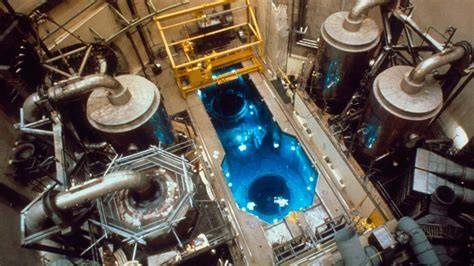
In the early hours of a foggy December morning, a colossal nuclear component silently made its way through the French countryside. This massive cargo, weighing in at a staggering 500 tons, was destined for the controversial Hinkley Point C reactor in the United Kingdom. As the convoy crept along the roads, British taxpayers were left wondering why they must shoulder the burden of funding this foreign energy project.
The journey of this nuclear colossus across Europe was no simple feat, requiring months of meticulous route planning. But as the project’s costs continue to soar, the question remains: is this engineering marvel really worth the exorbitant price tag for British consumers?
The Nuclear Colossus Arrives in Britain
The massive nuclear component, a key part of the Hinkley Point C reactor, was carefully transported from France to the UK in the dead of night. This covert operation was necessary to minimize disruptions and ensure the safe passage of the oversized cargo. However, the secrecy surrounding the shipment has only fueled public concerns about the project’s transparency and the government’s handling of the deal.
As the nuclear colossus reached its destination, the challenges of the Hinkley Point C project became even more apparent. The escalating costs and delayed timelines have already placed a significant burden on British taxpayers, who are now being asked to bankroll a project that is largely owned and operated by foreign energy giants.
Critics argue that the government should have explored alternative energy solutions that could have provided more cost-effective and sustainable power for the UK. Instead, they say, the decision to move forward with Hinkley Point C has locked Britain into a long-term financial commitment that may not align with the country’s energy independence goals.
The Mounting Costs of Hinkley Point C
The Hinkley Point C project has been plagued by a series of challenges, from construction delays to escalating costs. Initially estimated at £18 billion, the project’s price tag has since ballooned to £22.5 billion, with some experts suggesting it could ultimately exceed £25 billion. This astronomical figure has raised serious concerns about the financial burden placed on British taxpayers.
Adding to the controversy is the fact that the Hinkley Point C reactor is majority-owned by the French state-owned energy company, EDF, and China General Nuclear Power Group. This arrangement has led to accusations that the British government is essentially subsidizing foreign energy giants at the expense of its own citizens.
The high “strike price” guaranteed to EDF and its Chinese partners has also drawn criticism. This price, set at £92.50 per megawatt-hour, is more than double the current wholesale electricity price in the UK. As a result, British consumers will be locked into this inflated rate for the next 35 years, effectively paying a premium for the project’s spiraling costs.
- ➡The Dangerous Toilet Hack You’re Probably Using Right Now (And Why You Need to Stop)
- ➡She Just Took Over His Whole Company – And It Happened Faster Than Anyone Expected
- ➡You Won’t Believe the Life-Changing Discovery My Uber Driver Made on a “Wrong Turn”
- ➡One Small Trick That Could Permanently Change the Earth’s Rotation
Alternative Energy Solutions on the Horizon
As the Hinkley Point C project continues to face scrutiny, some experts argue that the government should have explored alternative energy solutions that could have provided more cost-effective and sustainable power for the UK. These alternatives, such as renewable sources like wind and solar, have become increasingly viable in recent years, with rapidly falling costs and improving technology.
By investing in these alternative energy solutions, the UK could have potentially reduced its reliance on foreign energy companies and taken a more proactive stance towards energy independence. Additionally, renewable energy projects are often more modular and scalable, allowing for a more flexible and adaptable approach to the country’s energy needs.
However, the government’s decision to move forward with the Hinkley Point C project has locked Britain into a long-term financial commitment that may not align with the country’s changing energy landscape. As the project’s costs continue to escalate, British taxpayers are left to wonder if this nuclear colossus was the best choice for the nation’s energy future.
The Reality of Modern Nuclear Construction
The Hinkley Point C project highlights the challenges faced by modern nuclear power construction. Unlike the nuclear reactors of the past, which were often built on time and within budget, today’s nuclear projects are plagued by delays and cost overruns. This is partly due to the increased complexity of reactor designs, as well as the need to comply with stricter safety regulations and environmental standards.
- ➡A Small Trick That Turned Casual Curling Into A Royal Rivalry
- ➡The Baffling River That Flows Uphill for Over 100 Miles – The Shocking Explanation Behind It
- ➡What the World’s Largest Arms Manufacturer Doesn’t Want You to Know About Their Groundbreaking Parasite Submarine Concept
- ➡Japan Just Revealed Its Shocking Rice Stockpile and It Changes Everything
Additionally, the construction of nuclear power plants requires a highly specialized workforce and intricate supply chains, making them vulnerable to disruptions and logistical challenges. This, combined with the long timelines involved in nuclear projects, has contributed to the Hinkley Point C’s ballooning costs and delayed timelines.
As the global energy landscape continues to evolve, the nuclear industry will need to adapt and find ways to streamline the construction process and reduce costs. Otherwise, the financial burden on taxpayers and consumers may become increasingly unsustainable, potentially jeopardizing the role of nuclear power in the future energy mix.
The Implications for Britain’s Energy Future
The Hinkley Point C project and the arrival of the massive nuclear component from France raise important questions about Britain’s energy future. While nuclear power has long been touted as a reliable and low-carbon source of electricity, the challenges faced by this project have highlighted the need for a more comprehensive and cost-effective energy strategy.
As British taxpayers are asked to shoulder the burden of funding this foreign-owned energy project, the government must carefully consider the long-term implications of its decisions. The choice to move forward with Hinkley Point C could have far-reaching consequences for the country’s energy security, consumer prices, and overall economic well-being.
- ➡You Won’t Believe Why My 8-Year-Old Stopped Eating School Lunch for a Month — I Had to Pull Him Out Immediately
- ➡Fisherman’s Haul — But It’s Not What You Expect
- ➡72 in a 70 Zone? Why Speed Cameras Are Now Turning a Blind Eye — For Now
- ➡The Heartwarming Story Behind the Birthday Card My Mom Sent Me Every Year for 20 Years
Ultimately, the arrival of this nuclear colossus serves as a reminder that the energy challenges facing Britain are complex and multifaceted. Navigating these challenges will require a balanced approach that prioritizes affordability, sustainability, and energy independence – all while ensuring that the British public is not left footing the bill for decisions made by distant energy giants.
Experts Weigh In on the Hinkley Point C Controversy
“The Hinkley Point C project is a prime example of the challenges facing the nuclear industry in the 21st century. The escalating costs and delays are symptomatic of a sector that has struggled to keep pace with technological advancements and evolving energy demands.”
– Dr. Sarah Williamson, Energy Policy Analyst
“While nuclear power can play a role in a diversified energy mix, the government should have explored more cost-effective and flexible alternatives, such as renewable sources. Locking British consumers into a 35-year, high-priced contract with foreign energy giants is a risky and potentially costly decision.”
Also Read
- ➡Shocking New Driving Age Revealed: What Every Driver Needs to Know Before It’s Too Late
- ➡You Won’t Believe What My Daughter Drew In Her Family Portrait – The Truth Is Shocking!
- ➡The Shocking Strength-Boosting Secrets for 60-Year-Olds You Need to Know Now
- ➡Centrelink Weekly Payments Updated 26th Of March: Huge Changes For Seniors…
– Professor Emily Benson, Energy Economics Specialist
“The secrecy surrounding the transport of this massive nuclear component is concerning. The public deserves transparency and a clear understanding of the rationale behind the Hinkley Point C project, as well as its long-term implications for energy security and consumer prices.”
– John Hawkins, Policy Advisor at the Institute for Energy Studies
As the debate over Hinkley Point C continues, it’s clear that the arrival of this nuclear colossus from France has only intensified the scrutiny surrounding the project. British taxpayers will be closely watching to see if the government can deliver on its promises of reliable and affordable energy, or if this foreign-owned venture will ultimately become a financial burden for generations to come.
FAQs
What is the Hinkley Point C project?
Hinkley Point C is a nuclear power station currently under construction in Somerset, England. It is the first new nuclear power station to be built in the UK in over 20 years and is a joint project between the French state-owned energy company EDF and China General Nuclear Power Group.
How much will the Hinkley Point C project cost?
The initial estimated cost of the Hinkley Point C project was £18 billion, but this has since escalated to £22.5 billion, and some experts believe it could ultimately exceed £25 billion.
Who owns the Hinkley Point C project?
The Hinkley Point C project is majority-owned by the French state-owned energy company EDF (66.5%), with the remaining shares held by China General Nuclear Power Group (33.5%).
What is the “strike price” for the Hinkley Point C project?
The “strike price” for the Hinkley Point C project is £92.50 per megawatt-hour, which is more than double the current wholesale electricity price in the UK. This means British consumers will be locked into this inflated rate for the next 35 years.
Why are British taxpayers being asked to fund the Hinkley Point C project?
The Hinkley Point C project is being largely funded by foreign energy companies, but British taxpayers are being asked to shoulder the financial burden through subsidies and long-term contracts. This has raised concerns about the government’s handling of the deal and the impact on energy prices for consumers.
What are the alternative energy solutions that could have been pursued instead of Hinkley Point C?
Experts argue that the government should have explored more cost-effective and sustainable energy solutions, such as renewable sources like wind and solar power, which have become increasingly viable in recent years.
What are the challenges facing modern nuclear power construction?
The Hinkley Point C project highlights the difficulties of modern nuclear power construction, including increased complexity, stricter safety regulations, and logistical challenges that have contributed to delays and cost overruns.
What are the potential implications of the Hinkley Point C project for Britain’s energy future?
The Hinkley Point C project raises concerns about the long-term financial burden on British taxpayers, the impact on consumer energy prices, and the broader implications for the country’s energy security and independence.
- ➡The Shocking Sacrifice: A Daughter’s Heartbreaking Choice to Care for Her Dying Father
- ➡A Small Tweak That Ballooned the Cost of a New Fighter Jet
- ➡The Extraordinary Journey of a Woman Who Defied the Odds and Landed Her Dream Job After 114 Rejections
- ➡From Lisbon to Essaouira: Retirees Find Solace on Morocco’s Atlantic Coast