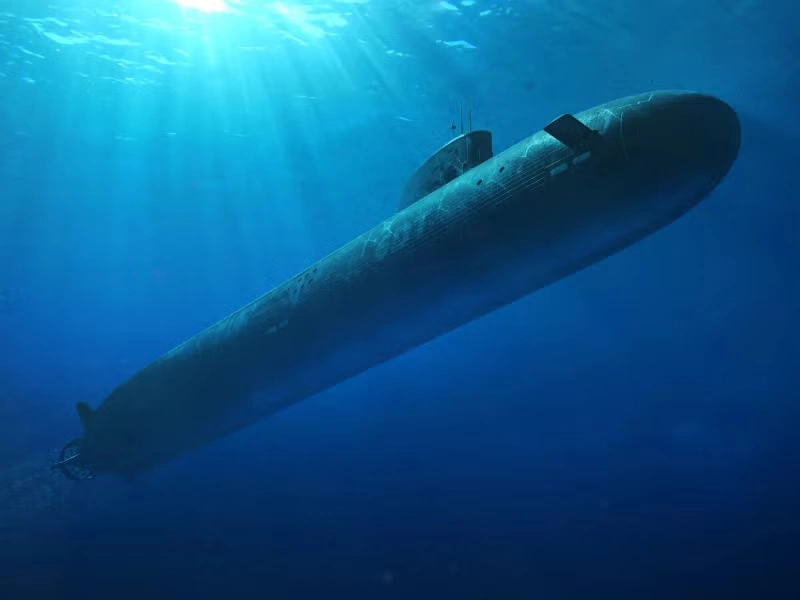
As the echoes of machinery reverberate through the cavernous halls of BAE Systems’ shipyard in Barrow-in-Furness, a new era of naval power is taking shape. The UK government has boldly committed to building a new British Navy AUKUS nuclear attack submarine every 18 months, a move that promises to transform the country’s maritime capabilities. But as the country races to bolster its underwater might, some experts are raising eyebrows, questioning whether this accelerated production timeline could actually undermine the long-term strength and readiness of the Royal Navy.
From the outside, the UK’s ambitious submarine-building program appears to be a clear strategic win, solidifying its position as a global maritime power and enhancing its ability to project force across the world’s oceans. Yet, beneath the surface, concerns are mounting about the potential risks and trade-offs inherent in this unprecedented production schedule. As the nation’s defense resources are funneled into this singular endeavor, some wonder whether other critical naval capabilities may be overlooked or neglected, potentially compromising the overall resilience and adaptability of the UK’s naval forces.
Navigating the Challenges of Rapid Submarine Production
The decision to build a new AUKUS nuclear attack submarine every 18 months is undoubtedly a bold and ambitious undertaking, one that will test the limits of the UK’s shipbuilding industry. Experts caution that such a relentless production pace could strain the workforce, compromise quality control, and limit the ability to incorporate the latest technological advancements into each successive vessel.
Moreover, the sheer financial resources required to sustain this program could potentially divert funds from other critical naval priorities, such as fleet modernization, personnel training, and research and development. This delicate balancing act could leave the Royal Navy vulnerable to emerging threats and technological disruptions, potentially undermining its long-term strategic flexibility.
- ➡Why France Is Shaking Up China’s Car Exports With Tough New Quality Rules
- ➡Shocking New Driving Age Revealed: What Every Driver Needs to Know Before It’s Too Late
- ➡Forgiveness vs. Resentment – What My Father’s Final Gift Taught Me
- ➡Shocking Secrets of the World’s Wealthiest Monarch: 17,000 Homes, 38 Private Jets, and a Fleet of 52 Luxury Yachts!
Analysts also warn that the rapid expansion of the UK’s submarine fleet may outpace the availability of skilled personnel, specialized equipment, and supporting infrastructure, creating logistical bottlenecks and straining the country’s defense ecosystem.
Maintaining Operational Readiness and Crew Wellbeing
The intense production schedule not only challenges the shipbuilding industry but also raises concerns about the impact on the Royal Navy’s personnel. Submarine crews already endure grueling deployments and extended periods away from their families, and the prospect of an even more demanding schedule could exacerbate mental health challenges, job satisfaction, and retention rates.
Maintaining the high levels of training, expertise, and morale required to operate these highly sophisticated vessels will be a formidable task, especially as the number of submarines in the fleet rapidly increases. Experts caution that the strain on the workforce could lead to burnout, increased safety risks, and a deterioration of operational readiness, potentially compromising the UK’s ability to respond effectively to emerging threats.
Additionally, the logistical challenges of supporting a larger submarine fleet could strain the Royal Navy’s support and maintenance infrastructure, potentially leading to longer periods of downtime for essential repairs and upgrades, further impacting the overall operational availability of the fleet.
Navigating Geopolitical Tensions and Regional Security Dynamics
The UK’s ambitious submarine-building program is not just a domestic affair but also carries significant geopolitical implications. The AUKUS partnership, which underpins this initiative, is viewed by some as a direct challenge to China’s growing influence in the Indo-Pacific region, raising concerns about escalating tensions and the potential for miscalculation.
As the UK increases its submarine presence in strategic waterways, it may find itself navigating a more complex and volatile security environment, where the risk of accidental confrontations or miscommunications could have far-reaching consequences. Experts warn that the UK’s singular focus on submarine production could come at the expense of other critical defense capabilities, such as surface fleet modernization or investment in emerging technologies, potentially limiting its ability to respond effectively to a diverse range of security threats.
Furthermore, the financial resources dedicated to this program may come at the expense of other domestic priorities, such as healthcare, education, or infrastructure, potentially straining the UK’s overall social and economic resilience.
Balancing Ambition with Pragmatism
As the UK forges ahead with its ambitious submarine-building program, it must carefully navigate a delicate balance between strategic vision and operational realities. While the desire to enhance the Royal Navy’s underwater capabilities is understandable, the risks and trade-offs associated with this accelerated production timeline cannot be ignored.
- ➡The Chilling Discovery That Forced This Family to Sell Their Home Overnight
- ➡$322 New Fee for an Australian Passport? Full Cost & Timeline Guide (2026)
- ➡Why Costa Rica Just Became the World’s Banana Storage Superpower
- ➡You Won’t Believe What This Homeless Man Did for a Stranger – The Ripple Effect Will Shock You
Striking the right balance will require a thoughtful and comprehensive assessment of the UK’s overall defense needs, taking into account the evolving geopolitical landscape, technological advancements, and the well-being of the nation’s naval personnel. A more measured and sustainable approach, one that prioritizes quality over quantity and ensures the resilience of the broader defense ecosystem, may ultimately prove to be the wisest path forward.
As the UK’s shipyards hum with activity, the nation must remain vigilant, weighing the potential rewards against the inherent risks, and charting a course that safeguards its maritime supremacy for generations to come.
The Technological and Economic Implications
| Technological Advancements | Economic Impact |
|---|---|
|
|
The UK’s ambitious submarine-building program is not just a military endeavor but also a driving force for technological innovation and economic growth. As the nation’s shipyards race to deliver these state-of-the-art vessels, they will be pushing the boundaries of engineering and manufacturing, incorporating the latest advancements in stealth, sensor technology, and automation.
This technological push is expected to have a ripple effect throughout the UK’s defense and industrial sectors, spurring the development of new materials, processes, and intellectual property that could find application in a wide range of industries. Furthermore, the economic benefits of this program are significant, with the potential to create thousands of high-skilled jobs, boost exports, and strengthen the UK’s position as a global leader in naval engineering and shipbuilding.
However, as the nation reaps these technological and economic rewards, it must remain vigilant to the potential risks and tradeoffs associated with this accelerated production timeline. Balancing ambition with pragmatism will be crucial to ensuring the long-term resilience and strategic adaptability of the Royal Navy.
Navigating the Regulatory and Environmental Challenges
| Regulatory Considerations | Environmental Impact |
|---|---|
|
|
As the UK’s submarine-building program gathers momentum, it must also navigate a complex web of regulatory and environmental considerations. Compliance with international treaties and agreements, such as those governing the non-proliferation of nuclear technology, will be paramount. The nation must also adhere to strict safety and security protocols, ensuring the utmost protection for its strategic assets and personnel.
Additionally, the UK will need to navigate a labyrinth of licensing and approval processes, both domestically and within the AUKUS partnership, to ensure the smooth and transparent execution of this ambitious undertaking. Maintaining public trust and addressing environmental concerns will be critical, as the nation seeks to minimize the ecological impact of its submarine operations and shipbuilding practices.
Experts warn that failure to address these regulatory and environmental challenges could not only jeopardize the program’s progress but also undermine the UK’s international standing and its ability to garner support for its broader defense initiatives. Navigating this complex landscape will require a delicate balance of strategic vision, regulatory compliance, and environmental stewardship.
The Broader Implications for the UK’s Defense Posture
The UK’s commitment to building a new AUKUS nuclear attack submarine every 18 months is not just a singular naval endeavor; it represents a broader shift in the nation’s defense posture and strategic priorities. As the Royal Navy’s underwater capabilities are rapidly expanded, some experts question whether this singular focus may come at the expense of other critical defense capabilities, such as surface fleet modernization, air power projection, or investment in emerging technologies.
The financial and human resources dedicated to this submarine-building program could potentially limit the UK’s ability to adapt to evolving security threats and technological disruptions, potentially leaving the nation vulnerable in other domains. Furthermore, the concentration of defense assets and expertise on a single platform could make the UK’s overall force structure less resilient and flexible, limiting its ability to respond to a diverse range of security challenges.
As the UK navigates this pivotal moment in its defense history, it must strike a delicate balance between investing in its naval capabilities and maintaining a comprehensive and adaptable defense posture. Failure to do so could undermine the nation’s long-term security and its ability to project power and influence on the global stage.
Experts Weigh In: Perspectives on the UK’s Submarine Ambitions
“The UK’s ambitious submarine-building program is a bold and audacious move, but it also carries significant risks. While the potential technological and economic benefits are undeniable, the strain on the workforce and the potential trade-offs in other defense capabilities are worrying. The government must tread carefully, ensuring that this program does not come at the expense of the Royal Navy’s overall resilience and adaptability.”
– Dr. Sarah Ashton, Defense Analyst at the Royal United Services Institute
“This accelerated production timeline is unprecedented, and it raises serious concerns about the UK’s ability to maintain the high standards of quality, safety, and operational readiness that are essential for these highly sophisticated vessels. The government must ensure that it does not sacrifice long-term sustainability and flexibility in pursuit of short-term numerical superiority.”
Also Read– Admiral Sir John Redford, Retired Royal Navy Officer
“The UK’s submarine-building ambitions are undoubtedly a strategic coup, but they also have the potential to exacerbate regional tensions and security dynamics. The government must carefully navigate this complex geopolitical landscape, ensuring that its actions do not inadvertently escalate tensions or undermine broader efforts to promote stability and cooperation in the Indo-Pacific region.”
– Dr. Liam Huang, Geopolitical Analyst at the Asia-Pacific Foundation
As the UK’s shipyards hum with activity, the nation’s leaders must weigh the potential rewards and risks of this ambitious submarine-building program. The path forward will require a delicate balance of strategic vision, operational pragmatism, and a clear-eyed assessment of the broader implications for the UK’s defense posture and international standing.
What is the AUKUS partnership, and how does it relate to the UK’s submarine-building program?
The AUKUS partnership is a trilateral security agreement between the United Kingdom, the United States, and Australia, formed in 2021. Under this agreement, the UK has committed to building a new AUKUS nuclear attack submarine every 18 months, leveraging the technological expertise and resources of the three partner nations.
What are the key technological advancements expected to be incorporated into the UK’s new submarines?
The UK’s new submarines are expected to feature the latest stealth and sensor technologies, advancements in propulsion and power generation, increased automation and AI-powered decision support, and improved underwater communication and networking capabilities.
What are some of the regulatory and environmental challenges the UK must navigate in its submarine-building program?
The UK must ensure compliance with international treaties and agreements, adhere to strict safety and security protocols, navigate complex licensing and approval processes, and address environmental concerns related to submarine operations and shipbuilding practices.
How might the UK’s singular focus on submarine production impact its broader defense posture and capabilities?
Experts warn that the financial and human resources dedicated to the submarine-building program could limit the UK’s ability to invest in other critical defense capabilities, such as surface fleet modernization, air power projection, and emerging technologies, potentially leaving the nation vulnerable in other domains.
- ➡The Shocking Truth Behind Why He Left Her at the Altar – You Won’t Believe What Happened Next
- ➡Rafale vs Eurofighter – Which Fighter Jet Dominates the Asian Skies?
- ➡The Pebble Egg Myth That’s Costing Gardeners Thousands
- ➡Hired to Replace the Boss, But Forced to Clean Toilets on Day One — The Unbelievable Truth Revealed
What are some of the potential risks and trade-offs associated with the UK’s accelerated submarine production timeline?
Concerns include the strain on the workforce, compromised quality control, limited ability to incorporate the latest technological advancements, and the potential diversion of funds from other naval priorities, which could undermine the Royal Navy’s long-term strategic flexibility and operational readiness.
How might the UK’s submarine-building ambitions impact regional security dynamics in the Indo-Pacific?
The UK’s increased submarine presence in strategic waterways could heighten geopolitical tensions, raise the risk of accidental confrontations or miscommunications, and potentially limit the nation’s ability to respond effectively to a diverse range of security threats in the region.
What are the potential economic benefits of the UK’s submarine-building program?
The program is expected to drive significant investment in the UK’s shipbuilding industry, create thousands of high-skilled jobs, boost exports, and strengthen the nation’s position as a global leader in naval engineering and shipbuilding.
How are experts and retired military leaders assessing the UK’s submarine-building ambitions?
Experts have expressed concerns about the risks and trade-offs associated with the accelerated production timeline, warning that the government must strike a delicate balance between ambition and pragmatism to ensure the long-term resilience and adaptability of the Royal Navy.
- ➡Behind Closed Doors: The Insider Secrets to Perfectly Tender Baked Beef Every Time
- ➡Passport Rule Changes for Over 60s in Australia (2026 Update)…
- ➡The Terrifying Power of False Hope: How One Woman Survived 19 Days Lost in the Wilderness
- ➡The Shocking Truth Behind India’s Booming Aviation Sector You Won’t Believe!