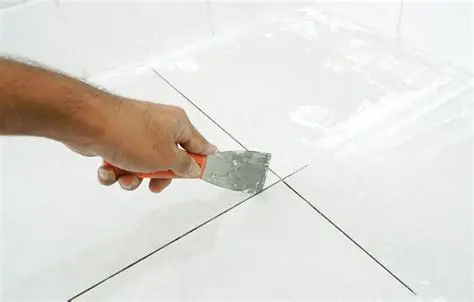
Have you been putting off that bathroom renovation because of the dingy, discolored grout between your tiles? Well, hold that thought – a simple, three-ingredient solution could have your grout looking brand new in just 15 minutes. No need for a major remodel, just a few common household items and a little elbow grease.
Grout can be a tricky material to keep clean, often stubbornly holding onto stains and discoloration. But with the right approach, you can breathe new life into that tired-looking tile work without breaking the bank. Get ready to be amazed at the transformative power of this easy-to-follow grout revival trick.
Why Grout Gets Dirty and Stays That Way
Grout is a porous material that readily absorbs all kinds of grime and discoloration over time. From soap scum and hard water stains to mold and mildew, there are many culprits that can leave grout looking less than fresh. And once those stains set in, they can be incredibly stubborn to remove.
The textured surface of grout also makes it a prime target for trapping dirt and debris. Simple cleaning methods often fall short, leaving behind embedded stains that just won’t budge. But with the right approach, you can tackle even the toughest grout issues and restore that clean, crisp look.
- ➡She Grew Up Free-Range in the ’70s — What She Learned Will Make You Rethink Modern Parenting
- ➡The Centuries-Old Oak Tree Dispute That’s Taking the Community By Storm
- ➡Australia Licence Renewal Fee Rule Changes: What You Need to Know in 2026
- ➡Japan Just Gave the Go-Ahead on a Game-Changing Housing Revolution
The key is finding a solution that can penetrate deep into the grout’s porous structure to lift out the embedded grime. That’s where our three-ingredient wonder comes in.
The Three Ingredients That Actually Work
You might be surprised to learn that the ingredients for this grout-reviving trick are probably already sitting in your kitchen pantry. All you need are baking soda, hydrogen peroxide, and dish soap.
Baking soda is a natural abrasive that can scrub away grime without being too harsh on the grout. Hydrogen peroxide acts as a powerful oxidizing agent, breaking down stains and discoloration. And a touch of dish soap helps to cut through grease and oils that can build up over time.
Together, these three simple ingredients form a paste-like cleaning solution that can penetrate deep into the grout and lift out even the toughest stains. The best part? You probably already have everything you need to get started.
- ➡What Your Kitchen Cabinet Supplier Doesn’t Want You to Know About Cleaning Grime
- ➡Just Discovered: Spain’s Ingenious Solution to the Water Infrastructure Crisis
- ➡She Smiled at Her Ex’s Wedding, but No One Knew the Shocking Truth About Her Planned Speech
- ➡The Myth About Home Security Cameras That Nobody Questions
Mixing the Perfect Paste Consistency
To create the grout-reviving paste, you’ll want to mix equal parts baking soda and hydrogen peroxide, then add a small amount of dish soap. The exact ratios may vary depending on the size of your project, but a good starting point is about 1/4 cup of each baking soda and peroxide, and a teaspoon of dish soap.
Stir the ingredients together until you have a thick, spreadable paste. You may need to adjust the consistency by adding more baking soda or peroxide, depending on the desired texture. The key is to ensure the paste is thick enough to stay in place on the grout lines, but not so thick that it’s difficult to work with.
Once you have the perfect paste, you’re ready to get to work on transforming your grout.
Application Techniques That Maximize Results
With your homemade grout-reviving paste ready to go, it’s time to start the transformation. Begin by thoroughly cleaning the tile and grout surfaces, removing any loose dirt or debris. This will help ensure the paste can penetrate directly into the grout lines.
- ➡The Extraordinary Eclipse Event That Will Plunge Entire Regions Into Darkness for an Unprecedented Duration
- ➡Australia Passport Replacement Rules Change 2026: Full Application Guide
- ➡Weekly Centrelink Payments 2026: Truth Behind the “Tomorrow” Claim…
- ➡The Unexpected Way a Donated Wedding Dress Found New Life on Reality TV
Using a small grout brush or an old toothbrush, apply the paste liberally to the discolored grout. Work it into the crevices, making sure to cover the entire surface. Let the paste sit for 10-15 minutes, allowing it to work its magic.
After the waiting period, use a damp sponge or cloth to gently scrub the grout lines. You may need to apply a bit of elbow grease, but the stains and discoloration should start to lift away. Rinse the area thoroughly with clean water to remove any remaining paste or loosened grime.
Dealing with Stubborn Stains and Mold
If you’re dealing with particularly stubborn stains or even mold growth in your grout, you may need to adjust your approach slightly. For tougher issues, try increasing the concentration of hydrogen peroxide in your paste. The additional oxidizing power can help break down deeply embedded stains and kill off any mold or mildew.
You can also let the paste sit for a bit longer, up to 30 minutes, to give it more time to work. Just be sure to keep the area well-ventilated and avoid prolonged skin contact with the paste.
- ➡The Real Reason China is Rushing to Build a Permanent Moon Base by 2028
- ➡The Shocking Underwater Discovery That Left Scientists Speechless: The Bizarre Cow Carcass Experiment That Rewrote Deep-Sea Science
- ➡The Shocking Trick to Bake the Richest, Fudgiest Chocolate Cake (No Mixer Required)
- ➡The Surprising New Trend That’s Letting Women Ditch Hair Dye For Good
In the case of mold, you may want to consider adding a few drops of tea tree oil or white vinegar to the mix. These natural antimicrobial agents can help eliminate the fungal growth and prevent it from returning.
Protecting Your Results and Preventing Rapid Re-Staining
Once you’ve transformed your grout and restored that fresh, clean look, you’ll want to take steps to protect your hard work. Consider applying a grout sealer to the cleaned areas, which can help repel future stains and make the grout easier to maintain.
Sealers create a protective barrier that prevents moisture, dirt, and other contaminants from penetrating the grout. This can significantly extend the time between deep cleaning sessions and keep your tile looking its best.
Remember to perform regular maintenance as well, such as wiping down the grout with a mild cleaning solution once a week. This will help prevent the rapid re-staining that can occur if you let the grout go too long between cleanings.
- ➡Poland’s Tiny Zoo Celebrates a Big Conservation Win as Endangered Amur Leopard Cub Takes First Steps
- ➡The Shocking 22.13-Kilometer Tunnel That Has the Entire World Stunned
- ➡A Small Habit That Keeps Skin Youthful Forever
- ➡Discover the Incredible 92-Year-Old’s Secret to Staying Fit and Youthful Well Into Her 60s and Beyond
Common Mistakes That Reduce Effectiveness
While the grout-reviving paste is a simple and effective solution, there are a few common mistakes that can reduce its effectiveness. One of the biggest is not properly preparing the surface before application.
Failing to remove loose dirt and debris can prevent the paste from penetrating deep into the grout lines. Similarly, using too much water or not letting the paste sit long enough can dilute its cleaning power.
Another mistake is using the wrong tools for the job. A small grout brush or toothbrush is essential for working the paste into the crevices, while a sponge or cloth is best for gently scrubbing and rinsing. Using the wrong tools can make the process much more difficult and less effective.
When to Call a Professional
In most cases, the three-ingredient grout paste can work wonders on even the dirtiest, most discolored tile. But there may be times when the job is better left to the professionals.
- ➡Passport Renewal Rules Change in Australia (2026 Update)
- ➡Unlock Your Full Potential: 7 Yoga Poses That Will Transform Your Flexibility and Mobility
- ➡The Myth About the World’s Largest Passenger Jet You Probably Believe
- ➡A Solitary Rower’s Unexpected Encounter with Migrating Whales — What Happened Next Will Amaze You
If you’re dealing with extensive damage, such as cracked or crumbling grout, it may be time to bring in a tile and grout specialist. They can assess the full extent of the issue and recommend the best course of action, whether that’s a deep cleaning, grout repair, or a complete tile replacement.
Additionally, if you’ve tried the homemade paste and still can’t seem to get the results you’re after, a professional cleaning service may be the way to go. They have access to specialized tools and cleaning agents that can tackle even the toughest grout stains.
Frequently Asked Questions
How often should I clean my grout?
For best results, it’s recommended to clean your grout every 6-12 months, depending on how much foot traffic and use the area sees. Regular maintenance can help prevent the build-up of stubborn stains and discoloration.
Can I use this paste on all types of grout?
The grout-reviving paste works well on most standard cementitious grout, both sanded and unsanded varieties. However, it may not be as effective on epoxy-based grouts, which have a different chemical composition. Always test a small, inconspicuous area first.
- ➡What the Space Industry Doesn’t Want You to Know About This Mysterious Interstellar Object
- ➡Could the Airbus A350 1000 Actually Outshine the Iconic Boeing 777 9?
- ➡Australian Pension Abroad 2026 Residency Rules, Payment Cuts & Centrelink Secrets Revealed…
- ➡Australia Weather Alert: Thunderstorms, Cold Snap & Weekend Conditions Explained
Do I need to reseal the grout after cleaning?
Applying a grout sealer after cleaning is highly recommended to help protect your investment and keep the grout looking its best for longer. Sealers create a protective barrier that repels stains and makes future cleanings easier.
How do I prevent grout from getting dirty so quickly?
Regular maintenance, like weekly wiping with a mild cleaner, can help prolong the time between deep cleanings. You can also consider using a grout-friendly cleaner and avoiding harsh chemicals that can break down the grout over time.
Can I use this method on tile floors as well?
Absolutely! The grout-reviving paste can be used on both wall and floor tiles, as long as the grout is in good condition. Just be sure to take extra care when scrubbing floor tiles to avoid slipping on the wet surfaces.
What if the grout is cracked or damaged?
If the grout is significantly cracked, crumbling, or damaged, it’s best to have a professional evaluate the issue. They can determine if the grout needs to be repaired or replaced before attempting a deep clean.
- ➡The Citrus Tree Care Myth That’s Been Debunked
- ➡Prune Your Lemon Tree vs. Neglect It — The Shocking Difference in Harvests Will Blow Your Mind
- ➡You Won’t Believe What This Taxi Driver Said That Made Me Abandon My Flight and Go Home Instead
- ➡Boiled Eggs vs Scrambled Eggs: The Surprising Winner You’d Never Expect
How do I prevent mold and mildew growth in the grout?
In addition to regular cleaning, using a grout sealer and wiping down the area with a mild antimicrobial cleaner can help prevent mold and mildew growth. Ensuring proper ventilation in bathrooms is also key to keeping moisture levels low.
Can I use this method on colored or tinted grout?
The grout-reviving paste should work well on colored or tinted grout, but it’s always a good idea to test a small, inconspicuous area first. Avoid letting the paste sit for too long, as it could potentially discolor the grout.