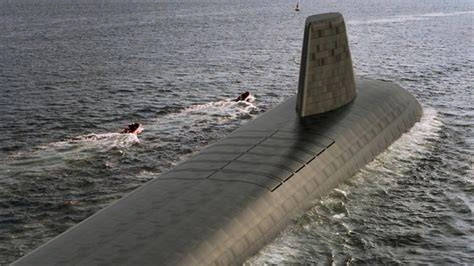
As the clang of steel echoes through the vast shipyards of Barrow-in-Furness, a quiet revolution is underway in the heart of Britain’s maritime might. The United Kingdom is embarking on an ambitious plan to build a new generation of nuclear-powered submarines, a project that promises to transform the nation’s defense capabilities. But as the scale and cost of this endeavor come into focus, some are beginning to wonder: is this submarine-building blitz actually sinking Britain’s budget?
From the outside, the shipyard bustles with activity, as workers in hard hats move in perfect coordination, shaping the steel that will form the hulls of these technological marvels. But beneath the surface, the true magnitude of this undertaking is slowly coming to light, and it’s not without its critics.
The Dreadnought Dilemma: Balancing Ambition and Affordability
The centerpiece of this submarine revolution is the Dreadnought-class, a fleet of four nuclear-powered vessels that will replace the aging Vanguard-class submarines. Each Dreadnought is a technological tour de force, boasting advanced propulsion systems, cutting-edge sensors, and the ability to carry a formidable arsenal of Trident nuclear missiles.
But the price tag for this ambitious project is staggering, with estimates ranging from £31 billion to £50 billion, a figure that threatens to consume a significant portion of the UK’s defense budget. As the government grapples with the competing demands of national security, social welfare, and fiscal responsibility, the Dreadnought dilemma has become a source of intense debate.
- ➡What the World’s Largest Arms Manufacturer Doesn’t Want You to Know About Their Groundbreaking Parasite Submarine Concept
- ➡This Apple Cake Is Incredibly Light — The Trick Will Blow Your Mind
- ➡Ethiopia’s Massive Crack: Where Continents Are Slowly Tearing Apart
- ➡The Arctic Trade Route Nobody Thought Could Work
Some analysts argue that the sheer cost of this program could jeopardize the country’s ability to maintain a well-rounded military force, with resources being siphoned away from other critical areas like aircraft, tanks, and personnel. The risk, they warn, is that the UK could find itself with a formidable submarine fleet but a weakened overall defense posture.
The Astute Advantage: Cutting-Edge Capabilities, Mounting Costs
Alongside the Dreadnought-class, the UK is also investing heavily in the Astute-class attack submarines, a fleet of seven nuclear-powered vessels designed to provide unparalleled intelligence-gathering and strike capabilities. These state-of-the-art submarines are the product of years of technological innovation, with features like advanced sonar systems, long-range cruise missiles, and the ability to remain submerged for extended periods.
However, the Astute program has also come with a hefty price tag, with each submarine costing an estimated £1.3 billion. As the government juggles the competing demands of the Dreadnought and Astute programs, concerns are mounting that the overall cost of Britain’s submarine modernization could become unsustainable.
One industry expert, speaking on the condition of anonymity, warned that the sheer financial burden of these projects could “crowd out” other critical defense investments, potentially leaving the UK vulnerable in other areas of national security.
Navigating the Supply Chain: Securing a Robust Industrial Base
The construction of these submarines is a vast undertaking, requiring the coordination of a complex supply chain that spans the length and breadth of the United Kingdom. From steel fabricators in Wales to electronics manufacturers in Scotland, the success of this program hinges on the ability of these diverse suppliers to deliver high-quality components on time and on budget.
To ensure the integrity of this supply chain, the government has invested heavily in workforce development programs, training a new generation of engineers, technicians, and skilled tradespeople. However, some industry observers worry that the pace of this submarine-building blitz could put a strain on the available talent pool, potentially leading to delays and cost overruns.
As the UK navigates this intricate web of suppliers and workforce challenges, the pressure to maintain a steady drumbeat of submarine production only continues to grow, raising concerns about the long-term sustainability of this ambitious plan.
Environmental Challenges: Balancing Naval Might and Ecological Stewardship
The construction and operation of these nuclear-powered submarines also come with significant environmental considerations. From the handling of radioactive materials to the potential impact on marine ecosystems, the UK must navigate a complex regulatory landscape to ensure that its submarine fleet is not only technologically advanced but also environmentally responsible.
- ➡After Losing Everything, She Fought to Change Inheritance Laws — The Outcome Will Surprise You
- ➡Stop Considering These Partners for Turkey’s Next-Gen Kaan Fighter
- ➡You’ll Never Believe What Happened When I Sat Next to a Stranger on a Flight – It Completely Changed My Life!
- ➡17 Hobbies That Can Rewire Your Aging Brain And Prevent Loneliness
The government has invested heavily in state-of-the-art facilities and safety protocols to mitigate these risks, but some environmental advocates have raised concerns about the long-term implications of this submarine-building program. As the world grapples with the challenges of climate change and sustainable development, the UK’s submarine program will need to demonstrate its commitment to balancing naval might with ecological stewardship.
As one marine biologist cautioned, “The true cost of this submarine revolution may not be measured in pounds and pence, but in the health of our oceans and the resilience of our fragile ecosystems.”
Securing the Future: Workforce Development and Technological Innovation
Amidst the complexities and controversies surrounding the UK’s submarine program, there is one area where the government has invested heavily: workforce development and technological innovation. The shipyards of Barrow-in-Furness have become a hub of high-tech activity, with workers honing their skills in advanced manufacturing, robotics, and computer-aided design.
These investments in human capital and technological prowess are not only crucial for the success of the submarine program but also have the potential to create a lasting legacy of industrial expertise that could benefit the UK for decades to come. As one industry veteran put it, “We’re not just building submarines here; we’re building the future of British engineering.”
- ➡A Solitary Rower’s Unexpected Encounter with Migrating Whales — What Happened Next Will Amaze You
- ➡The Incredible Undersea Tunnel That’s Changing the Face of Global Trade
- ➡The Rise of Cloud Walkers — But They’re Not Superheroes
- ➡The Jaw-Dropping Tale of Sarah Mitchell: Her 5-Year Disappearance and the Shocking Words That Silenced the Community
However, the true test of this strategy will be in the ability of the UK to maintain a steady pipeline of skilled workers and technological breakthroughs, even as the demands of the submarine program ebb and flow. The long-term sustainability of this ambitious project will depend on the government’s ability to nurture a thriving, adaptable industrial base.
Navigating the Choppy Waters Ahead
As the UK grapples with the challenges and complexities of its submarine-building blitz, the stakes have never been higher. The country’s defense capabilities, fiscal priorities, environmental responsibilities, and industrial legacy are all hanging in the balance.
Whether the UK can successfully navigate these choppy waters and emerge with a submarine fleet that is both technologically advanced and financially sustainable remains to be seen. But one thing is certain: the clang of steel echoing through the Barrow-in-Furness shipyard is the sound of a nation charting a bold new course, one that will shape the country’s future for generations to come.
The Experts Weigh In
“The Dreadnought program is a testament to Britain’s engineering prowess, but its staggering cost could leave the UK’s defense capabilities dangerously unbalanced. We need to ensure that this submarine revolution doesn’t come at the expense of a well-rounded military force.”
Also Read— Dr. Sarah Henley, Senior Defense Analyst, Royal United Services Institute
“The environmental challenges posed by these nuclear-powered submarines cannot be overlooked. While the government has made efforts to mitigate the risks, the long-term implications for our marine ecosystems must be carefully considered.”
— Dr. Emma Woodward, Marine Ecologist, University of Cambridge
“Investing in workforce development and technological innovation is crucial to the long-term sustainability of this submarine program. But the government must ensure that these investments create a lasting legacy of industrial expertise that can benefit the UK beyond the lifespan of these vessels.”
Also Read
- ➡Woke Up with a Mystery Tattoo in an Ancient Language – You’ll Never Believe What Happened Next
- ➡The Untold Story of Mozambique’s Secret Language Between Honey Hunters and Birds
- ➡Poland’s Tiny Zoo Celebrates a Big Conservation Win as Endangered Amur Leopard Cub Takes First Steps
- ➡I Let My Daughter Answer My Phone Once – You Won’t Believe What Happened Next!
— John Wilkinson, Director of Engineering, Institute of Mechanical Engineers
Key Takeaways
The UK’s submarine-building blitz is a bold and ambitious project that promises to transform the country’s defense capabilities. However, the staggering cost of this endeavor, the environmental challenges, and the need to maintain a well-rounded military force have all raised concerns about the long-term sustainability of this plan.
As the government navigates these choppy waters, it will need to strike a delicate balance between technological innovation, workforce development, and fiscal responsibility. The true test of this submarine revolution will be its ability to create a lasting legacy of industrial expertise and environmental stewardship that can benefit the UK for generations to come.
FAQs
What is the Dreadnought-class submarine program?
The Dreadnought-class submarine program is the UK’s initiative to build a new generation of four nuclear-powered ballistic missile submarines to replace the aging Vanguard-class. Each Dreadnought submarine is a technological marvel, with advanced propulsion systems and the ability to carry Trident nuclear missiles.
How much is the UK spending on its submarine programs?
The total cost of the Dreadnought-class program is estimated to be between £31 billion and £50 billion, while the Astute-class attack submarines cost around £1.3 billion each. The scale of these investments has raised concerns about the impact on the UK’s overall defense budget and the ability to maintain a well-rounded military force.
What are the environmental challenges associated with the UK’s submarine programs?
The construction and operation of nuclear-powered submarines come with significant environmental considerations, such as the handling of radioactive materials and the potential impact on marine ecosystems. The government has invested in safety protocols, but some environmental advocates have raised concerns about the long-term implications of this submarine-building program.
How is the UK addressing workforce development and technological innovation for its submarine programs?
The UK has invested heavily in workforce development programs to train a new generation of engineers, technicians, and skilled tradespeople to support the submarine programs. Additionally, the shipyards in Barrow-in-Furness have become hubs of high-tech activity, with workers honing their skills in advanced manufacturing, robotics, and computer-aided design. These investments aim to create a lasting legacy of industrial expertise that can benefit the UK for decades to come.
What are the potential long-term impacts of the UK’s submarine programs?
The success of the UK’s submarine programs will have far-reaching implications for the country’s defense capabilities, fiscal priorities, environmental responsibilities, and industrial legacy. While the government is committed to balancing these competing demands, the true test will be the program’s ability to create a sustainable, well-rounded military force that is both technologically advanced and environmentally responsible.
- ➡You Won’t Believe What My Daughter Drew In Her Family Portrait – The Truth Is Shocking!
- ➡The Billionaire Who Conquered Investors With a 90-Second Pitch – Her Genius Move Will Shock You
- ➡She Just Took Over His Whole Company – And It Happened Faster Than Anyone Expected
- ➡The Shocking Reason 60s and 70s Kids Are More Resilient Than Millennials
How will the UK ensure the financial sustainability of its submarine programs?
Ensuring the financial sustainability of the UK’s submarine programs will require careful management of the defense budget, as well as a focus on cost-saving measures and efficient supply chain management. The government will need to weigh the competing demands of the Dreadnought and Astute programs, while also maintaining investments in other critical areas of the military.
What are the potential risks of the UK’s submarine programs?
The primary risks associated with the UK’s submarine programs include cost overruns, delays in production, environmental concerns, and the potential impact on the country’s overall defense capabilities. The government will need to carefully navigate these challenges to ensure the long-term success and sustainability of this ambitious project.
How will the UK’s submarine programs shape the future of British engineering and industry?
The investments in workforce development and technological innovation for the submarine programs have the potential to create a lasting legacy of industrial expertise and innovation that could benefit the UK for decades to come. The government’s ability to nurture a thriving, adaptable industrial base will be crucial to ensuring that this submarine revolution leaves a positive and enduring impact on the country’s engineering and manufacturing capabilities.