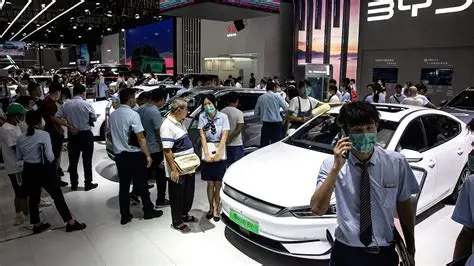
It’s a common refrain: Chinese cars are cheap, poorly made, and not to be trusted. But as the world’s largest automotive market, China is determined to shed this reputation and become a global automotive powerhouse. In a surprise move, Beijing has announced a sweeping crackdown on low-quality vehicle exports, signaling a major shift in the country’s automotive ambitions.
The implications are far-reaching, not just for Chinese manufacturers, but for consumers and automakers worldwide. Are the days of China’s “cheap and cheerful” exports coming to an end? Or is this a strategic play to elevate the country’s standing in the global auto industry? Let’s dive in and uncover the truth behind China’s automotive export overhaul.
Raising the Bar: China’s New Export Standards
Gone are the days of China churning out low-quality vehicles with little regard for quality control. The sprawling industrial zones outside Shanghai now house state-of-the-art facilities where engineers meticulously inspect every component, ensuring the highest standards are met.
Beijing’s new export rules are designed to weed out the substandard players, mandating strict quality control and comprehensive spare parts networks for all models destined for global markets. This is a clear signal that China is no longer willing to sacrifice its reputation for the sake of volume sales.
The crackdown will have a particularly significant impact on smaller and medium-sized Chinese automakers, who may struggle to meet the new requirements. Experts predict a major consolidation in the industry as the weaker players are forced to either upgrade their operations or bow out of the export game.
Addressing the “Spare Parts Problem”
One of the key issues plaguing Chinese vehicle exports has been the lack of available spare parts, leaving consumers stranded and frustrated when their cars break down. Beijing has now made it a mandatory requirement for all exported models to have a robust network of replacement parts and authorized service centers in the destination countries.
This move is designed to instill confidence in Chinese-made vehicles and address a longstanding pain point for consumers. By ensuring a reliable supply of parts and dedicated support, China hopes to overcome the perception that its cars are disposable or difficult to maintain.
The impact on global automotive supply chains could be significant, as Chinese manufacturers scramble to establish the necessary infrastructure in markets around the world. However, this investment could also open up new opportunities for local businesses and job creation in the countries receiving these exports.
France’s Role in Triggering the Export Overhaul
While the quality issues with Chinese vehicles are well-documented globally, it was a high-profile incident in France that reportedly served as the catalyst for Beijing’s latest crackdown. In 2021, a series of complaints and negative media coverage regarding the performance and safety of Chinese-made cars in the French market prompted a swift response from the Chinese government.
Determined to protect its reputation and maintain a strong foothold in the lucrative European market, China moved quickly to implement the new export standards. This signals a shift in the country’s approach, prioritizing long-term brand building over short-term gains.
The message is clear: China is no longer willing to compromise on quality, even if it means sacrificing some export volume in the near term. This bold move could have far-reaching implications for the global automotive industry, as other major exporters are forced to reevaluate their own standards and practices.
Implications for Chinese Automakers and Consumers
The export crackdown is likely to have a significant impact on Chinese automakers, both large and small. For the industry leaders, the new requirements may mean increased production costs and slimmer profit margins, as they invest in enhancing quality control and building out global spare parts networks.
- ➡She Just Took Over His Whole Company – And It Happened Faster Than Anyone Expected
- ➡Satellite Internet Just Arrived On Your Smartphone And It’s Changing Everything
- ➡Australia TFN Rule Changes 2026: What You Must Know Now…
- ➡Shocking Secrets of the World’s Wealthiest Monarch: 17,000 Homes, 38 Private Jets, and a Fleet of 52 Luxury Yachts!
However, this could also present an opportunity for these companies to further differentiate themselves and solidify their position in the international marketplace. By consistently delivering high-quality vehicles, they may be able to command higher prices and gain a competitive edge over rivals.
For consumers, both domestic and abroad, the changes could translate to higher-priced Chinese cars, but also greater confidence in their reliability and long-term value. As the country’s automakers focus on building a reputation for excellence, the days of “cheap and cheerful” may be numbered.
Global Automotive Industry Response
The automotive world is watching China’s export overhaul with a mix of intrigue and trepidation. While some may welcome the prospect of stronger competition from Chinese brands, others are concerned about the potential disruption to established supply chains and market dynamics.
Industry analysts predict that the crackdown will likely lead to a shift in global pricing and market positioning for Chinese vehicles. As the country’s automakers prioritize quality over quantity, their products may become less affordable for price-sensitive consumers in emerging markets.
- ➡Australia Biometric Rule Changes 2026 — What You Must Know…
- ➡You’ll Never Guess What This Waitress Did After Receiving a $1,000 Tip
- ➡Unbelievable Celestial Event: The Century’s Longest Solar Eclipse Has a Shocking Reveal
- ➡Major Companies Just Mandated Return to Office and It Changes Everything for Remote Workers
However, this could also open up new opportunities for Chinese brands to target the premium end of the market, challenging the dominance of established players. The global industry will need to adapt quickly to these changes, as China’s automotive ambitions continue to evolve.
The Long-Term Implications
Beyond the immediate impact on exports, China’s quality-focused approach could have far-reaching consequences for the global automotive landscape. By elevating its standards and reputation, the country may be positioning itself for a strategic shift in its overall export strategy.
Rather than competing solely on price, China could gradually transition to a model where it leverages its technological capabilities and manufacturing expertise to become a preferred source of high-quality, innovative vehicles. This could disrupt traditional automotive supply chains and challenge the dominance of established players in key markets.
Ultimately, the success of China’s export crackdown will depend on the country’s ability to sustain its focus on quality and deliver a consistently positive consumer experience. If it can achieve this, the “Made in China” label may one day be a mark of automotive excellence, rather than a source of skepticism and concern.
Frequently Asked Questions
Why is China implementing these new export standards?
China is implementing the new export standards to address the long-standing perception that its vehicles are of poor quality and lacking in reliability. By mandating strict quality control and comprehensive spare parts networks, the country aims to elevate the reputation of its automotive brands and become a global leader in the industry.
How will the export crackdown impact Chinese automakers?
The export crackdown is likely to have a significant impact on Chinese automakers, both large and small. For industry leaders, the new requirements may mean increased production costs and slimmer profit margins as they invest in enhancing quality control and building out global spare parts networks. However, this could also present an opportunity to differentiate themselves and solidify their position in the international marketplace.
What will be the effect on consumers, both in China and abroad?
For consumers, both domestic and abroad, the changes could translate to higher-priced Chinese cars, but also greater confidence in their reliability and long-term value. As the country’s automakers focus on building a reputation for excellence, the days of “cheap and cheerful” may be numbered, potentially leading to a shift in global pricing and market positioning for Chinese vehicles.
How will the global automotive industry respond to China’s export overhaul?
The global automotive industry is watching China’s export overhaul with a mix of intrigue and trepidation. While some may welcome the prospect of stronger competition from Chinese brands, others are concerned about the potential disruption to established supply chains and market dynamics. Industry analysts predict that the crackdown will likely lead to a shift in global pricing and market positioning for Chinese vehicles, which could open up new opportunities for Chinese brands to target the premium end of the market.
What are the long-term implications of China’s quality-focused approach?
Beyond the immediate impact on exports, China’s quality-focused approach could have far-reaching consequences for the global automotive landscape. By elevating its standards and reputation, the country may be positioning itself for a strategic shift in its overall export strategy, where it leverages its technological capabilities and manufacturing expertise to become a preferred source of high-quality, innovative vehicles. This could disrupt traditional automotive supply chains and challenge the dominance of established players in key markets.
How will China enforce the new export standards?
China has not provided detailed information on the enforcement mechanisms for the new export standards, but it is expected to involve a combination of regulatory oversight, export inspections, and potential penalties for non-compliance. The government is likely to work closely with domestic automakers to ensure they meet the new requirements before their vehicles are allowed to leave the country.
Will the export crackdown lead to a shortage of Chinese-made vehicles in global markets?
It’s possible that the export crackdown could result in a temporary shortage of Chinese-made vehicles in certain global markets, as automakers work to upgrade their operations and build out the necessary spare parts infrastructure. However, industry experts believe that the long-term benefits of improved quality and reliability will outweigh any short-term supply disruptions, as Chinese brands become more competitive in the international marketplace.
How will the export crackdown affect the pricing of Chinese vehicles globally?
The export crackdown is likely to lead to higher prices for Chinese-made vehicles in global markets, as automakers pass on the costs of enhanced quality control and spare parts network development to consumers. However, this could also open up opportunities for Chinese brands to target the premium end of the market, challenging the dominance of established players and potentially reshaping the global automotive pricing landscape.