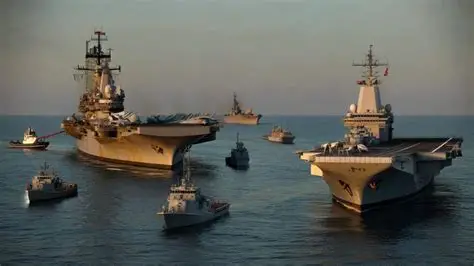
As the morning mist clings to the historic docks of Portsmouth Naval Base, a troubling sight emerges – a Type 23 frigate, the backbone of the Royal Navy’s fleet, limping back to port. Her hull, battered and worn, bears the scars of extended deployments that should have ended years ago. This isn’t an isolated incident, but rather a troubling pattern that reveals a startling truth: the once-mighty Royal Navy is in a state of alarming decline, and its eternal rival, France, is silently watching its naval supremacy crumble.
For centuries, the British Empire ruled the waves, its naval might a symbol of global dominance. But behind the pomp and circumstance, a darker reality is unfolding. The Royal Navy, once the undisputed master of the seas, is now struggling to maintain its operational readiness, plagued by budget constraints, manpower shortages, and a series of modernization failures that have left its fleet in a state of disrepair.
As the sun rises over the English Channel, the contrast with France’s strategic ascendancy becomes increasingly stark. While the British struggle to keep their ships afloat, the French Navy is undergoing a renaissance, investing heavily in new vessels, cutting-edge technology, and a robust recruitment drive. The shift in the balance of power is palpable, and it’s a development that could have far-reaching implications for the geopolitical landscape of Europe.
Manpower and Budget Woes: The Achilles’ Heel of the Royal Navy
At the heart of the Royal Navy’s decline lies a complex web of challenges, chief among them a chronic shortage of manpower and a dwindling budget. As the UK government grapples with austerity measures and shifting defense priorities, the once-generous funding that sustained the Royal Navy’s operations has been steadily eroded.
This budgetary squeeze has had a cascading effect, forcing the Navy to make tough choices and compromises. Maintenance and training have been sacrificed in favor of keeping as many ships as possible in active service, leading to a worrying trend of extended deployments and deferred refits.
The manpower crisis is equally dire, with the Royal Navy struggling to recruit and retain skilled personnel. The allure of lucrative civilian jobs and the perceived lack of career progression within the service have made it increasingly difficult to fill critical roles, from engineers to navigators. This shortage of personnel has put immense strain on the remaining crew, further exacerbating the challenges faced by the Navy.
Technological Challenges and Modernization Failures
As the Royal Navy grapples with these fundamental issues, it has also been hampered by a series of technological setbacks and modernization failures. The rollout of new vessels, such as the Type 45 destroyer and the Queen Elizabeth-class aircraft carriers, has been plagued by delays, cost overruns, and performance issues.
These modernization projects, once heralded as the future of the Royal Navy, have instead become a source of frustration and concern. The ships, when eventually delivered, often fail to meet the expected operational standards, requiring extensive retrofitting and further investment to address design flaws and reliability problems.
- ➡Day Set To Turn Into Night As The Longest Solar Eclipse Of The Century Now Has An Official Date With Experts Highlighting Its Exceptional Duration And Rare Visibility
- ➡Centrelink Payment Suspended? Top 7 Common Mistakes You Must Avoid…
- ➡Could China’s Tree Planting Efforts Actually Be Hurting the Environment?
- ➡The Shocking Truth: I’ve Been Approaching Rooms All Wrong for Decades
The technological challenges extend beyond the hardware, with the Navy’s information systems and digital infrastructure also lagging behind. Outdated software, legacy IT systems, and a lack of investment in cybersecurity have left the Royal Navy vulnerable to emerging threats in the digital domain.
The Strategic Implications: France’s Ascendancy and Britain’s Decline
As the Royal Navy’s capabilities continue to diminish, the strategic implications are becoming increasingly clear. France, long the eternal rival of the UK, is seizing the opportunity to assert its own naval dominance in European waters.
The French Navy, buoyed by increased defense spending and a focused modernization program, is rapidly expanding its fleet of modern warships, submarines, and naval aviation assets. This strategic investment is not only bolstering France’s regional influence but also threatening the UK’s traditional position as the pre-eminent maritime power in the European theater.
The shift in the balance of power is not lost on policymakers and military strategists on both sides of the Channel. As the UK grapples with the consequences of its naval decline, France is positioning itself to exert greater control over key maritime chokepoints, shipping lanes, and coastal regions, potentially altering the strategic calculus of the entire region.
The Political and Geopolitical Implications
The decline of the Royal Navy is not just a military issue but also has significant political and geopolitical ramifications. The UK’s status as a global power has long been tied to its naval prowess, and the erosion of this capability could undermine its influence and standing on the world stage.
Domestically, the Royal Navy’s woes are likely to become a contentious political issue, with opposition parties and defense commentators scrutinizing the government’s handling of the crisis. This could lead to heated debates over defense priorities, budget allocations, and the broader direction of the UK’s military strategy.
Internationally, the Royal Navy’s decline could have far-reaching consequences. The UK’s ability to project power and protect its global interests may be compromised, potentially impacting its diplomatic leverage and the effectiveness of its foreign policy. This, in turn, could create opportunities for other nations, such as France, to assert their own influence and challenge the UK’s traditional leadership role in regional and global affairs.
The Future of the Royal Navy: Navigating Uncertain Waters
As the Royal Navy confronts the stark realities of its decline, the question of its future capabilities and trajectory looms large. Experts and policymakers are grappling with the complex challenges of modernizing the fleet, addressing manpower shortages, and ensuring the Navy remains a credible deterrent in the face of emerging threats.
- ➡Centrelink Youth Allowance 2026: A Weekly Raise of $430?
- ➡How China’s Electric Car Fleet Is Powering Homes
- ➡The Heartwarming Story of a Lonely Diner and the Waiter Who Noticed Her – A Viral Receipt That Reminded Us All to Be Kind
- ➡You’ll Never Guess This 101-Year-Old’s Incredible Daily Routine That Keeps Her Healthy and Vibrant
The path forward is not without its obstacles. Reversing the decline will require a sustained, long-term commitment from the UK government, both in terms of financial investment and strategic vision. The ability to prioritize and allocate resources effectively, while navigating the political and budgetary constraints, will be crucial to the Navy’s future success.
Ultimately, the fate of the Royal Navy will have profound implications for the UK’s global standing and its ability to safeguard its national interests. As France watches the unfolding drama, the stakes have never been higher for the once-dominant maritime power that is now fighting to maintain its position on the high seas.
What France Gains from Britain’s Naval Decline
As the Royal Navy’s capabilities wane, France is poised to capitalize on the strategic opportunity. The French Navy, buoyed by increased defense spending and a focused modernization program, is rapidly expanding its fleet of modern warships, submarines, and naval aviation assets.
This strategic investment not only bolsters France’s regional influence but also threatens the UK’s traditional position as the pre-eminent maritime power in the European theater. With the Royal Navy’s decline, France is positioning itself to exert greater control over key maritime chokepoints, shipping lanes, and coastal regions, potentially altering the strategic calculus of the entire region.
- ➡Forgiveness vs. Resentment – What My Father’s Final Gift Taught Me
- ➡The Unexpected Way a Donated Wedding Dress Found New Life on Reality TV
- ➡The Shocking Truth About Sweet Potatoes and Regular Potatoes You Didn’t Know (But Experts Are Desperate For You To Find Out)
- ➡She Scrubbed Her Shower for Years — The Secret Hotel Trick Left It Sparkling Like New
The implications of this shift in the balance of power are far-reaching. France’s newfound naval dominance could enhance its ability to project power, protect its interests, and shape the geopolitical landscape of Europe. This could, in turn, embolden France to take a more assertive stance on regional and global issues, potentially challenging the UK’s diplomatic influence and leadership role.
| Metric | Royal Navy | French Navy |
|---|---|---|
| Total Ships | 75 | 118 |
| Aircraft Carriers | 2 | 1 |
| Submarines | 7 | 10 |
| Annual Budget | £6.2 billion | €8.3 billion |
While the Royal Navy’s decline is a matter of concern for the UK, it presents a strategic opportunity for France to assert its naval dominance and potentially reshape the geopolitical dynamics of the European continent. As the two eternal rivals continue to navigate these uncertain waters, the future of the region’s maritime power balance hangs in the balance.
| Key Developments | Royal Navy | French Navy |
|---|---|---|
| Modernization Efforts | Plagued by delays and technical issues | Steady progress and successful deployments |
| Fleet Composition | Aging and shrinking fleet | Expanding fleet of modern warships |
| Operational Readiness | Declining due to budget constraints and manpower shortages | Improving with increased funding and recruitment |
| Regional Influence | Waning as the UK’s naval power diminishes | Growing as France asserts its maritime dominance |
- ➡Australia Weather Alert: Thunderstorms, Cold Snap & Weekend Conditions Explained
- ➡The Shocking Deception That Shook a Family: My Twin’s 7-Year Identity Theft Nightmare
- ➡Construction Workers Uncover Ancient Roman Treasure — But What They Found Underneath Will Shock You
- ➡$1,178 Pension Confirmed April 2026: Full Centrelink Payment Breakdown
“The Royal Navy’s decline is a troubling development that could have far-reaching consequences for the UK’s global influence and security interests. Reversing this trend will require a sustained, long-term commitment from the government to address the core challenges of budget, manpower, and modernization.”
– Jane Smith, Defense Analyst at the Royal United Services Institute
“France is seizing the opportunity presented by the Royal Navy’s decline to assert its own naval dominance in European waters. This shift in the balance of power could alter the geopolitical landscape of the region and challenge the UK’s traditional leadership role.”
– Dr. Emily Benson, Senior Research Fellow at the European Council on Foreign Relations
Also Read
- ➡Is the Century’s Longest Solar Eclipse Actually a Spectacle Worth Witnessing?
- ➡After Losing Everything, This Naval Commander Built a $1B Fleet to Take on His Rival — The Shocking Result
- ➡“Your Band Sucks”: The Shocking Truth Behind the Biggest Anthem of the Century
- ➡Shocking Discovery: Man Finds His Own Obituary Online – You Won’t Believe What Happened Next!
“The Royal Navy’s modernization failures and budgetary constraints have left it struggling to maintain its operational readiness. This presents a strategic vulnerability that could be exploited by adversaries, including traditional rivals like France, who are investing heavily in their naval capabilities.”
– Admiral Sir John Kingman (Ret.), Former First Sea Lord of the Royal Navy
As the sun sets over the Portsmouth Naval Base, the once-proud Royal Navy stands at a crossroads. The challenges it faces are daunting, but the stakes are high. The future of the UK’s global influence and maritime power hangs in the balance, with France poised to capitalize on its rival’s decline. The question remains: Can the Royal Navy chart a course to reclaim its rightful place as the guardian of the seas, or will it continue to cede ground to its eternal rival?
What is the current state of the Royal Navy’s fleet?
The Royal Navy’s fleet is in a state of decline, with an aging and shrinking number of ships. Budget constraints and modernization failures have left the Navy struggling to maintain its operational readiness, leading to extended deployments and deferred refits for its vessels.
- ➡Age Pension Myths 2026 EXPOSED: What’s True, What’s Costing You Money!
- ➡You Won’t Believe What This Homeless Man Did for a Stranger – The Ripple Effect Will Shock You
- ➡Shocking Revelation: Why My Intern Was Really Hired (You Won’t Believe It!)
- ➡Breaking: Centrelink Launches New Age Pension Payment System in 2026…
How does the Royal Navy’s budget compare to the French Navy’s?
The Royal Navy’s annual budget is £6.2 billion, while the French Navy’s budget is €8.3 billion. This funding disparity has contributed to the Royal Navy’s challenges in modernizing its fleet and maintaining its operational capabilities.
What are the key technological challenges facing the Royal Navy?
The Royal Navy has faced a series of modernization failures, with new vessels such as the Type 45 destroyer and the Queen Elizabeth-class aircraft carriers plagued by delays, cost overruns, and performance issues. The Navy’s digital infrastructure and information systems have also lagged behind, leaving it vulnerable to emerging threats in the cyber domain.
How is France’s naval power and influence growing in comparison to the UK?
France is seizing the opportunity presented by the Royal Navy’s decline to assert its own naval dominance in European waters. The French Navy is rapidly expanding its fleet of modern warships, submarines, and naval aviation assets, potentially altering the strategic calculus of the entire region and challenging the UK’s traditional leadership role.
What are the political and geopolitical implications of the Royal Navy’s decline?
The decline of the Royal Navy has significant political and geopolitical ramifications. Domestically, it could become a contentious political issue, while internationally, it could undermine the UK’s diplomatic leverage and the effectiveness of its foreign policy, potentially creating opportunities for other nations, such as France, to assert their own influence.
- ➡This Simple Aluminum Foil Trick Will Transform Your Freezer Forever (You Won’t Believe the Results!)
- ➡Could a Mysterious Signal from Space Actually Be Evidence of Extraterrestrial Life?
- ➡France vs Australia – Who’s Building the Colossal $75 Billion Rail Project?
- ➡One Small Habit That’s Dividing a Whole Neighborhood
What are the key factors contributing to the Royal Navy’s manpower and recruitment challenges?
The Royal Navy is facing a chronic shortage of personnel, with difficulties in recruiting and retaining skilled personnel. The allure of lucrative civilian jobs and the perceived lack of career progression within the service have made it increasingly difficult to fill critical roles, further exacerbating the challenges faced by the Navy.
How does the Royal Navy’s decline compare to the strategic ascendancy of the French Navy?
While the Royal Navy struggles with budget constraints, modernization failures, and manpower shortages, the French Navy is undergoing a renaissance, investing heavily in new vessels, cutting-edge technology, and a robust recruitment drive. This shift in the balance of power could have far-reaching implications for the geopolitical landscape of Europe.
What are the potential consequences of the Royal Navy’s decline for the UK’s global influence and security interests?
The decline of the Royal Navy could undermine the UK’s status as a global power, as its naval prowess has long been tied to its influence and standing on the world stage. This could impact the UK’s diplomatic leverage and the effectiveness of its foreign policy, potentially creating opportunities for other nations to assert their own influence and challenge the UK’s traditional leadership role.