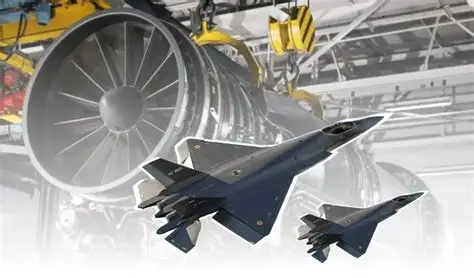
The skies over the Indo-Pacific are about to witness a seismic shift, as India and France negotiate a landmark defense deal that could reshape the balance of power in the region. Hidden behind closed doors, these two global powers are inching closer to an agreement that could unlock the secrets of cutting-edge fighter jet technology, transforming India’s military capabilities for decades to come.
This high-stakes negotiation, valued at a staggering 6.7 billion euros, is poised to deliver India the keys to the kingdom – advanced engines that will power its next-generation fighter jets, including the coveted Advanced Medium Combat Aircraft (AMCA) program. The implications of this deal reverberate far beyond the battlefield, as it holds the potential to spur a new era of strategic cooperation, technology transfer, and economic opportunities between these two nations.
As the world watches with bated breath, the corridors of power in New Delhi and Paris are abuzz with calculated moves and calculated risks. This is no ordinary defense contract – it’s a calculated gambit that could shift the tides of geopolitical influence in the Indo-Pacific, ultimately determining the future of air supremacy in the region.
The Safran-HAL Partnership Takes Flight
At the heart of this transformative deal lies a strategic alliance between Safran, the French aerospace giant, and Hindustan Aeronautics Limited (HAL), India’s premier aviation manufacturer. This partnership promises to unlock the doors to cutting-edge technology, paving the way for India to harness the power of next-generation fighter jet engines.
The agreement, which has been in the works for over a decade, is set to usher in a new era of collaboration between the two nations. By pooling their expertise and resources, Safran and HAL aim to co-develop and co-produce the state-of-the-art engines that will propel India’s future air dominance.
This partnership is not merely a contractual arrangement; it’s a testament to the growing strategic trust between India and France. As the two countries deepen their defense and security ties, this engine deal represents a significant milestone, solidifying their commitment to a shared vision of regional stability and global influence.
Breaking Down the 6.7 Billion Euro Investment
The sheer scale of this investment underscores the high stakes involved. The 6.7 billion euro price tag is a testament to the transformative potential of this deal, as it aims to not only secure the engine technology but also establish a comprehensive ecosystem of co-development, production, and maintenance.
Beyond the immediate military applications, this deal also holds the promise of broader economic benefits. The technology transfer and joint manufacturing processes will create significant opportunities for Indian engineers, technicians, and industrial workers, driving job creation and boosting the country’s manufacturing prowess.
- ➡[Lawyer] Reveals The Shocking Legal Trap Hidden in Gifted Property Transfers
- ➡Australia Disability Parking Rules Changing in 3 Days – What Every Driver Must Know…
- ➡The Heartwarming Story Behind the Birthday Card My Mom Sent Me Every Year for 20 Years
- ➡She Just Took Over His Whole Company – And It Happened Faster Than Anyone Expected
Importantly, the agreement is structured to ensure a balanced exchange of value, with both France and India poised to reap the rewards. While India gains access to cutting-edge engines, France stands to solidify its position as a trusted defense partner, opening the door to future collaborations and market opportunities.
Strategic Implications for India’s AMCA Program
The timing of this engine deal could not be more critical for India’s ambitious AMCA program. As the country seeks to develop its own fifth-generation fighter jet, the acquisition of these advanced engines will be a game-changer, empowering the AMCA with unprecedented capabilities.
By tapping into Safran’s expertise, India can accelerate the AMCA’s development and enhance its performance, potentially catapulting it to the forefront of global fighter jet technology. This strategic partnership has the potential to unlock new frontiers in India’s quest for self-reliance in defense manufacturing.
Moreover, the AMCA’s success could have far-reaching implications for India’s overall military posture, bolstering its ability to project power and deter potential adversaries in the region. This deal, therefore, represents a pivotal moment in India’s journey towards greater strategic autonomy and geopolitical influence.
- ➡$322 New Fee for an Australian Passport? Full Cost & Timeline Guide (2026)
- ➡A Solitary Rower’s Unexpected Encounter with Migrating Whales — What Happened Next Will Amaze You
- ➡Newborn Supplement Australia 2026: Who Gets It and How to Apply…
- ➡The Trend That’s Taking Over: A Stunning Mosaic Unites Ancient Rome and Egypt
Technology Transfer and Industrial Benefits
At the heart of this agreement lies a commitment to technology transfer, a critical element that will empower India’s defense industry and foster long-term self-reliance. The deal stipulates a comprehensive knowledge-sharing framework, ensuring that Indian engineers and technicians gain direct access to Safran’s cutting-edge engine design and manufacturing capabilities.
This technology transfer will not only benefit the AMCA program but also extend to India’s broader fighter jet ecosystem, including the Tejas light combat aircraft and other future platforms. The resulting spillover effects will strengthen India’s industrial base, driving innovation, skill development, and export potential.
Moreover, the co-production and co-development aspects of the deal will create significant economic opportunities for Indian firms, from small and medium-sized enterprises to large conglomerates. This partnership has the potential to catalyze the growth of India’s aerospace and defense manufacturing sectors, positioning the country as a global player in the industry.
France’s Strategic Calculations in the Indo-Pacific
For France, this engine deal represents a strategic move to cement its position as a key player in the Indo-Pacific region. As China’s assertiveness continues to grow, Paris sees this agreement as an opportunity to deepen its influence and cultivate a lasting partnership with India, a crucial regional power.
By positioning itself as a reliable and technologically advanced defense partner, France aims to counter the increasing Chinese dominance in the region. The transfer of cutting-edge engine technology, coupled with the potential for future collaborations, can significantly boost France’s geopolitical standing and commercial interests in the Indo-Pacific.
Moreover, this deal aligns with France’s broader strategic vision of strengthening its security and economic ties with key Indo-Pacific nations, such as India, as a counterweight to China’s growing influence. It is a calculated gambit that could pay dividends in the years to come, shaping the region’s security landscape and France’s role within it.
Challenges and Risk Mitigation Strategies
While the potential rewards of this deal are substantial, the path towards its successful implementation is not without challenges. Both India and France must navigate a complex web of technical, logistical, and geopolitical obstacles to ensure the smooth realization of this ambitious project.
One of the key hurdles is the effective management of technology transfer and intellectual property rights. Safeguarding sensitive information while fostering a collaborative environment will require meticulous planning and robust governance mechanisms. Additionally, the integration of these new engines into India’s existing fighter jet fleet poses intricate engineering and logistical challenges.
- ➡Shocking Scorpion Tank Leaves Outdated Challenger 3 in the Dust – The Secret Truth Nobody Told You
- ➡The Tiny Mistake That Revealed China’s Massive Nuclear Stockpile
- ➡Day Set To Turn Into Night As The Longest Solar Eclipse Of The Century Now Has An Official Date With Experts Highlighting Its Exceptional Duration And Rare Visibility
- ➡The Real Reason French Divers Uncovered a Marine Relic in Indonesia
To mitigate these risks, the negotiations have likely involved detailed timelines, clear milestones, and contingency plans. The success of this deal will hinge on the ability of both nations to align their strategic priorities, navigate bureaucratic complexities, and maintain a steady commitment to the partnership over the long term.
Timeline and Future Milestones
As the negotiations reach their final stages, both India and France are working towards a swift conclusion to the deal. While the exact timeline remains closely guarded, industry experts anticipate a signing ceremony in the coming months, paving the way for the next phase of this landmark collaboration.
Once the initial agreement is in place, the focus will shift to the implementation phase, which will involve the establishment of joint design, development, and production facilities. This process will be meticulously planned, with regular reviews and adjustments to ensure the project remains on track.
In the years ahead, the partnership between Safran and HAL is expected to reach new milestones, including the first engine deliveries, the commencement of co-production, and the integration of the engines into India’s fighter jet fleet. These developments will be closely watched, as they hold the potential to reshape the balance of power in the Indo-Pacific region.
- ➡Shock Closure of Gulf Airspace: The Real Story Behind the Chaos at Dubai and Riyadh Airports!
- ➡New Medical Reviews for Australians 70+: What Seniors Must Do Now…
- ➡You Won’t Believe What This 6-Year-Old Told Her Mom About the “Man” in Her Room
- ➡Can You Spot the Hidden 63? This Viral Illusion Is Blowing Minds
Impact on Regional Security Dynamics
The reverberations of this engine deal will extend far beyond the borders of India and France, with the potential to significantly impact the broader security dynamics in the Indo-Pacific. As India’s air power capabilities are enhanced, it will be better equipped to deter and respond to regional threats, including those posed by an increasingly assertive China.
This deal could also pave the way for deeper defense and security cooperation between India and France, further strengthening the strategic partnership between the two nations. This, in turn, could lead to joint military exercises, intelligence sharing, and coordinated responses to regional challenges, solidifying the two countries’ roles as key players in the Indo-Pacific security architecture.
Moreover, the successful implementation of this deal could inspire other nations in the region to seek similar partnerships, driving a broader shift towards greater self-reliance and technological prowess in the field of defense. This could ultimately contribute to a more stable and balanced security environment in the Indo-Pacific, with India and its partners playing a more prominent role in shaping the region’s future.
Economic Spillovers and Job Creation
The economic impact of this landmark deal extends far beyond the defense sector, with the potential to create significant ripple effects throughout India’s economy. The technology transfer and co-production elements of the agreement will drive job creation, skill development, and the growth of supporting industries.
As Safran and HAL collaborate to establish new manufacturing facilities and upgrade existing ones, the demand for skilled engineers, technicians, and support staff will surge. This, in turn, will create employment opportunities and foster the development of a highly specialized aerospace workforce in India.
Moreover, the deal’s economic benefits will extend to the broader supply chain, as Indian subcontractors and small and medium-sized enterprises (SMEs) are integrated into the production process. This integration will strengthen the country’s manufacturing capabilities, enhance its export potential, and contribute to the overall growth of the Indian economy.
What is the Safran-HAL Partnership and what does it entail?
The Safran-HAL partnership is a strategic alliance between the French aerospace giant Safran and India’s Hindustan Aeronautics Limited (HAL). This partnership aims to co-develop and co-produce advanced fighter jet engines that will power India’s next-generation combat aircraft, including the AMCA program. The deal involves a comprehensive technology transfer and joint manufacturing framework, with the goal of enhancing India’s defense capabilities and fostering long-term self-reliance.
What is the total value of the France-India fighter engine deal?
The France-India fighter engine deal is valued at a staggering 6.7 billion euros, making it one of the most significant defense technology partnerships in recent history. This substantial investment underscores the high stakes and transformative potential of the agreement, which will shape the future of India’s air power and its strategic positioning in the Indo-Pacific region.
How will this deal impact India’s AMCA program?
The France-India fighter engine deal is expected to have a profound impact on India’s Advanced Medium Combat Aircraft (AMCA) program. By providing access to Safran’s cutting-edge engine technology, this partnership will enable India to accelerate the AMCA’s development and enhance its performance, potentially catapulting it to the forefront of global fighter jet capabilities. The successful integration of these advanced engines will be a game-changer for the AMCA program and India’s overall air power projection.
What are the key benefits of the technology transfer and industrial collaboration?
The technology transfer and industrial collaboration aspects of the France-India fighter engine deal hold significant benefits for India. They will empower Indian engineers and technicians with direct access to Safran’s engine design and manufacturing expertise, fostering long-term self-reliance in the defense industry. Additionally, the co-production and co-development elements will create economic opportunities for Indian firms, from small and medium-sized enterprises to large conglomerates, driving the growth of the aerospace and defense manufacturing sectors.
How will this deal impact the regional security dynamics in the Indo-Pacific?
The France-India fighter engine deal has the potential to significantly impact the regional security dynamics in the Indo-Pacific. By enhancing India’s air power capabilities, the deal will strengthen the country’s ability to deter and respond to regional threats, including those posed by an increasingly assertive China. Moreover, the deepening defense and security cooperation between India and France could lead to joint military exercises, intelligence sharing, and coordinated responses to regional challenges, solidifying the two countries’ roles as key players in the Indo-Pacific security architecture.
What are the key challenges and risk mitigation strategies for this deal?
The France-India fighter engine deal faces several challenges, including the effective management of technology transfer and intellectual property rights, as well as the integration of the new engines into India’s existing fighter jet fleet. To mitigate these risks, the negotiations have likely involved detailed timelines, clear milestones, and contingency plans. The success of this deal will depend on the ability of both nations to align their strategic priorities, navigate bureaucratic complexities, and maintain a steady commitment to the partnership over the long term.
What is the expected timeline for the implementation of this deal?
While the exact timeline remains closely guarded, industry experts anticipate that the France-India fighter engine deal will be signed in the coming months, paving the way for the next phase of this landmark collaboration. Once the initial agreement is in place, the focus will shift to the implementation phase, which will involve the establishment of joint design, development, and production facilities. In the years ahead, the partnership between Safran and HAL is expected to reach new milestones, including the first engine deliveries, the commencement of co-production, and the integration of the engines into India’s fighter jet fleet.
What are the economic spillovers and job creation opportunities associated with this deal?
The France-India fighter engine deal holds significant economic implications, extending far beyond the defense sector. The technology transfer and co-production elements of the agreement will drive job creation, skill development, and the growth of supporting industries in India. As new manufacturing facilities are established and existing ones upgraded, the demand for skilled engineers, technicians, and support staff will surge, creating employment opportunities and fostering the development of a highly specialized aerospace workforce. Additionally, the integration of Indian subcontractors and small and medium-sized enterprises (SMEs) into the production process will strengthen the country’s manufacturing capabilities, enhance its export potential, and contribute to the overall growth of the Indian economy.