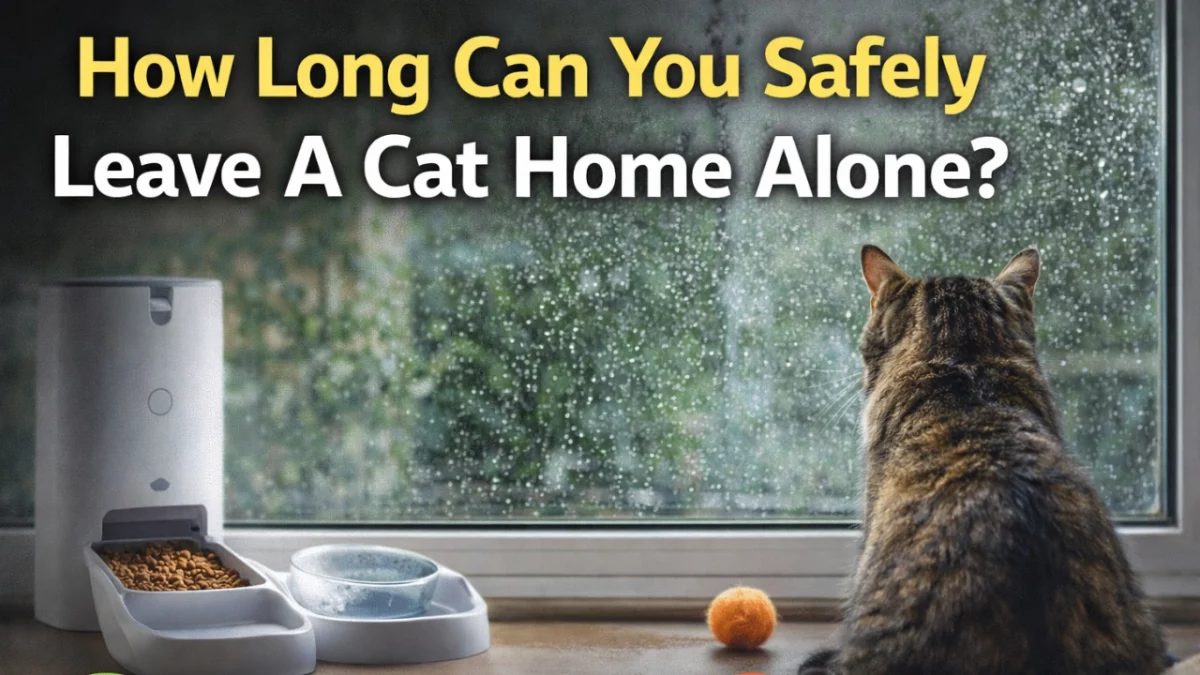
As a proud cat owner, you want to ensure your feline companion is happy and healthy when you’re not around. But just how long can you safely leave your cat home alone without causing distress or potential harm? This insider secret uncovers the real story behind responsible cat care and maximizing your pet’s wellbeing during your absences.
Understanding Your Cat’s Basic Daily Needs
Cats are social creatures, but they also cherish their alone time. While they may not need constant human interaction, they do have specific needs that must be met, even when you’re not there. From accessing food and water to maintaining their normal routine, there are several key factors to consider when determining how long your cat can be left unsupervised.
Experts agree that the maximum safe duration for leaving a cat home alone typically ranges from 24 to 48 hours, depending on the individual cat and the preparation in place. Longer periods can put your feline friend at risk of dehydration, malnutrition, and even behavioral issues.
However, the reality is that many cat owners may need to leave their pets alone for extended periods due to work, travel, or other commitments. Understanding the signs that your cat is struggling with loneliness and implementing the right strategies can make all the difference in ensuring their wellbeing during your absence.
Signs Your Cat Struggles with Being Alone
Cats are masters at hiding their discomfort, but there are some telltale signs that your furry friend is having a hard time coping with being left alone. Excessive meowing, increased aggression or destructive behavior, and changes in litter box habits can all indicate that your cat is experiencing stress or anxiety.
Additionally, a loss of appetite, excessive grooming, or a sudden change in sleep patterns may also suggest that your cat is struggling to adjust to your absence. It’s important to be attuned to these behavioral changes and address them promptly to prevent long-term issues.
If you notice any of these signs, it’s crucial to evaluate your cat’s individual needs and adjust your approach accordingly. By addressing the root cause of the problem, you can help your cat feel more secure and content during the times you’re not there.
Preparation Strategies Before Extended Absences
Planning ahead is key to ensuring your cat’s wellbeing when you need to be away for longer periods. Start by stocking up on essential supplies, such as high-quality cat food, litter, and any necessary medications or supplements. Additionally, consider setting up multiple feeding and water stations throughout your home to ensure your cat has easy access to sustenance.
- ➡The Tiny Mistake That Revealed China’s Massive Nuclear Stockpile
- ➡A Small Habit That Keeps Skin Youthful Forever
- ➡The Jaw-Dropping Tale of Sarah Mitchell: Her 5-Year Disappearance and the Shocking Words That Silenced the Community
- ➡The Hidden Cost of Calling Yourself an Introvert: How Exhaustion Masqueraded as Personality for 20 Years
It’s also important to provide your cat with engaging toys and activities to keep them mentally stimulated. Puzzle feeders, scratching posts, and interactive toys can help alleviate boredom and prevent destructive behaviors. And don’t forget to leave out a few of your worn clothing items to help your cat feel comforted by your familiar scent.
Finally, consider arranging for a trusted friend, family member, or professional pet sitter to check in on your cat periodically. This not only provides your feline friend with much-needed social interaction but also allows for early detection of any issues that may arise.
Technology Solutions for Remote Cat Care
In today’s tech-savvy world, there are numerous digital tools and gadgets designed to help pet owners stay connected with their furry companions, even when they’re not physically present. From smart feeders and water dispensers to remote-controlled toys and cameras, the options for keeping tabs on your cat’s wellbeing are more advanced than ever.
| Technology Solution | Key Benefits |
|---|---|
| Automatic Pet Feeders | Ensure your cat receives regular meals, even when you’re not there to serve them. |
| Pet Cameras & Treat Dispensers | Allow you to check in on your cat, dispense treats, and even interact with them remotely. |
| Smart Litter Boxes | Monitor your cat’s litter box usage and receive alerts if any changes occur. |
| Interactive Cat Toys | Provide mental stimulation and help alleviate boredom when you’re not around. |
- ➡Centrelink Youth Allowance 2026: A Weekly Raise of $430?
- ➡The Shocking Secret to Unlock Your Hip Mobility (You Won’t Believe How Easy It Is!)
- ➡You Won’t Believe the Gigantic Harpy Eagle Chick Discovered in Brazil’s Untamed Pantanal Rainforest!
- ➡The Shocking Truth About the Mysterious Visitor Hurtling Towards Our Solar System at Record Speeds
By leveraging these innovative technologies, you can gain valuable insights into your cat’s behavior and ensure their needs are met, even when you’re not physically present. This can provide both you and your feline friend with greater peace of mind during extended absences.
Alternative Care Options for Longer Absences
While technology can certainly help bridge the gap during shorter periods of time away, there may be instances when leaving your cat home alone simply isn’t the best option. For extended trips or longer workdays, it’s important to consider alternative care arrangements that can cater to your cat’s specific needs.
One popular option is to enlist the help of a professional pet sitter or cat boarding facility. These services not only provide your cat with regular feedings and litter box maintenance but also offer opportunities for playtime, cuddling, and personalized attention. This can be an especially valuable solution for cats that struggle with separation anxiety or have special medical requirements.
Another alternative is to ask a trusted friend, family member, or neighbor to periodically check in on your cat and ensure their wellbeing. This option can be more cost-effective than professional services and can also help strengthen the bond between your cat and their caregiver.
Special Considerations for Different Life Stages
When it comes to determining how long you can safely leave your cat home alone, their life stage and individual needs must be taken into account. Kittens, senior cats, and those with underlying health conditions may have more specific requirements and may not be able to tolerate extended periods of isolation.
| Life Stage | Recommended Max Time Alone |
|---|---|
| Kittens (under 1 year) | 4-6 hours maximum |
| Adult Cats (1-10 years) | 24-48 hours maximum |
| Senior Cats (over 10 years) | 12-24 hours maximum |
| Cats with Health Conditions | Consult your veterinarian |
It’s essential to closely monitor your cat’s behavior and overall wellbeing, adjusting your alone time expectations as needed. By being attuned to your feline friend’s unique needs, you can ensure they remain happy, healthy, and well-cared for during your absences.
Creating a Support Network for Your Cat
Ultimately, the key to successfully leaving your cat home alone is to build a strong support network that can step in when you’re not available. This may include trusted friends, family members, or professional pet sitters who can provide regular check-ins, playtime, and care for your feline companion.
- ➡The Shocking Truth I Discovered About My Family at 30 – You Won’t Believe What Happened Next
- ➡The Unexpected Cleaning Power of Baking Soda and Hydrogen Peroxide
- ➡Shocking Hybrid SUV With 55 MPG Stuns the Auto Industry
- ➡The Stranger’s Call That Landed Me in Detention for 6 Hours — A Lesson in Trusting Others in the Digital Age
By fostering these relationships and establishing a reliable system of support, you can feel confident that your cat is in good hands, even when you’re not there. Regular communication with your cat’s caregivers and staying informed about their wellbeing can also help alleviate any anxieties or concerns you may have during your absence.
Remember, your cat’s happiness and health should be the top priority. By understanding their needs, leveraging technology, and creating a robust support network, you can ensure your feline friend thrives, no matter how long you need to be away.
FAQs
How long can I safely leave my cat home alone?
The maximum safe duration for leaving a cat home alone typically ranges from 24 to 48 hours, depending on the individual cat and the preparation in place. Kittens, senior cats, and cats with health conditions may have more specific requirements and may not be able to tolerate extended periods of isolation.
What are the signs that my cat is struggling with being alone?
Telltale signs that your cat is having a hard time coping with being left alone include excessive meowing, increased aggression or destructive behavior, changes in litter box habits, loss of appetite, excessive grooming, and sudden changes in sleep patterns.
- ➡You Won’t Believe What My Daughter Drew In Her Family Portrait – The Truth Is Shocking!
- ➡Prune Your Lemon Tree vs. Neglect It — The Shocking Difference in Harvests Will Blow Your Mind
- ➡Why Italy’s Space Engineers Are Rewriting the Laws of Time
- ➡A $20 Painting Sold for $4.2 Million: The Incredible Story of an Artist’s Extraordinary Comeback
What can I do to prepare my cat for extended absences?
To prepare your cat for longer periods alone, stock up on essential supplies, set up multiple feeding and water stations, provide engaging toys and activities, and consider arranging for a trusted friend, family member, or professional pet sitter to check in on your cat periodically.
What are some technology solutions for remote cat care?
Technology solutions for remote cat care include automatic pet feeders, pet cameras and treat dispensers, smart litter boxes, and interactive cat toys. These tools can help you stay connected with your cat and ensure their needs are met, even when you’re not physically present.
What are some alternative care options for longer absences?
For extended trips or longer workdays, consider enlisting the help of a professional pet sitter or cat boarding facility, or ask a trusted friend, family member, or neighbor to periodically check in on your cat and ensure their wellbeing.
How can I create a support network for my cat?
To create a strong support network for your cat, foster relationships with trusted friends, family members, or professional pet sitters who can provide regular check-ins, playtime, and care for your feline companion when you’re not available. Regularly communicate with your cat’s caregivers and stay informed about their wellbeing.
- ➡The Shocking Reason I Was Secretly Uninvited from the Company Party – And What the CEO Emailed the Next Day
- ➡A Small Trick That Turned Casual Curling Into A Royal Rivalry
- ➡“I Thought My Husband Was Fine, Then the Nurse Revealed His Shocking Secret Before Surgery”
- ➡The Myth About Bluefin Tuna That Scientists Just Debunked
Are there any special considerations for different life stages?
Yes, the recommended maximum time for leaving a cat home alone varies depending on their life stage. Kittens (under 1 year) should not be left alone for more than 4-6 hours, adult cats (1-10 years) can typically handle 24-48 hours, and senior cats (over 10 years) should not be left alone for more than 12-24 hours. Cats with health conditions may have even stricter requirements, so it’s best to consult your veterinarian.
What should I do if I notice my cat is struggling with being alone?
If you notice signs that your cat is having a hard time coping with being left alone, it’s important to address the issue promptly. Adjust your preparation strategies, consider alternative care options, and seek guidance from your veterinarian or a professional pet behaviorist if necessary.