Imagine gliding through your daily activities with effortless grace and ease. That’s the power of mastering flexibility and mobility through the ancient practice of yoga. Whether you’re an athletic powerhouse or a desk-bound office warrior, these transformative poses hold the key to unlocking a whole new level of physical freedom.
Get ready to bid farewell to stiffness, aches, and limitations, and embrace a world of fluid movement and boundless energy. In this comprehensive guide, we’ll take you on a journey through the most powerful yoga postures that will redefine your flexibility and mobility, empowering you to move with confidence and vitality like never before.
Unlock Your Hips: The Gateway to Full-Body Flexibility
Tight hips can be the root cause of a myriad of movement issues, from lower back pain to restricted range of motion. By targeting the hips, we can unlock the gateway to overall flexibility and mobility. Prepare to experience a profound release as you delve into these hip-opening poses.
One of the most renowned hip openers is the Pigeon Pose (Eka Pada Rajakapotasana Prep). This asana gently stretches the front of the hip while also providing a soothing release for the lower back. As you settle into this pose, let go of any tension and allow your body to melt into the floor.
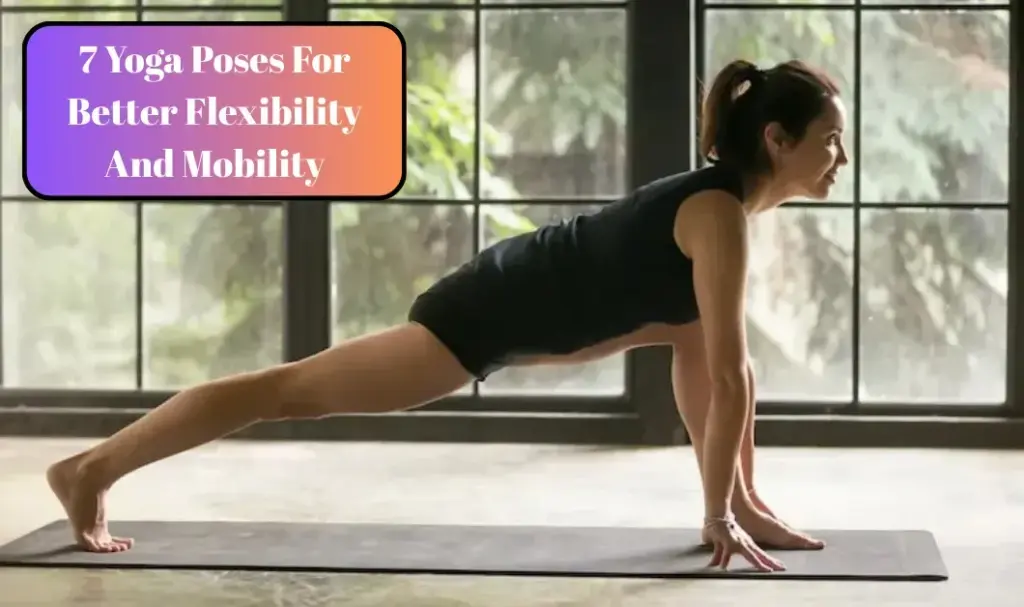
Another essential hip-focused pose is the Low Lunge (Anjaneyasana). This dynamic stretch not only opens the hip flexors but also strengthens the legs and engages the core, providing a well-rounded approach to mobility.
| Pose | Benefits |
|---|---|
| Pigeon Pose | Stretches the front of the hip, releases lower back tension |
| Low Lunge | Opens the hip flexors, strengthens the legs, engages the core |
Lengthen and Strengthen: Poses for Full-Body Mobility
Beyond the hips, true mobility requires a holistic approach that addresses the entire kinetic chain. By incorporating poses that target the spine, hamstrings, and full-body alignment, you’ll unlock a new level of fluidity and grace in your movements.
The Downward-Facing Dog (Adho Mukha Svanasana) is a classic yoga posture that delivers a profound stretch from head to toe. This pose lengthens the hamstrings, calves, and upper body, while also strengthening the arms and core for a well-balanced mobility boost.
- ➡After Losing Everything, She Fought to Change Inheritance Laws — The Outcome Will Surprise You
- ➡Farewell to the Microwave — Households Embrace a Faster, Cleaner Cooking Revolution
- ➡She Kept Watering Her Spider Plant for Years — The Shocking Result That Left Her in Tears
- ➡The Shocking Truth Behind the Man Who Woke Up in a Hospital with a Different Identity
Another essential pose is the Seated Forward Fold (Paschimottanasana), which targets the hamstrings and spine. As you fold forward, you’ll experience a deep release in the posterior chain, allowing you to move with greater ease and flexibility.
| Pose | Benefits |
|---|---|
| Downward-Facing Dog | Stretches the hamstrings, calves, and upper body; strengthens the arms and core |
| Seated Forward Fold | Targets the hamstrings and spine for a deep release in the posterior chain |
Unlock Spinal Mobility: The Key to Effortless Movement
The spine is the foundation of our movement, and maintaining its health and flexibility is crucial for overall mobility. By incorporating poses that target spinal mobility, you’ll experience a newfound sense of freedom and ease in your daily activities.
One of the most effective spinal mobility poses is the Cow Pose (Bitilasana). This gentle backbend allows the spine to move through its full range of motion, promoting better posture and reducing the risk of back pain.
Another powerful spinal twist is the Supine Spinal Twist (Supta Matsyendrasana). This pose not only increases rotational mobility but also provides a soothing release for the entire side body, helping to alleviate tension and improve overall flexibility.
| Pose | Benefits |
|---|---|
| Cow Pose | Promotes spinal mobility, improves posture, reduces back pain |
| Supine Spinal Twist | Increases rotational mobility, releases tension in the side body |
Restore and Renew: The Power of Restorative Poses
While dynamic stretches and strengthening poses are essential for building flexibility and mobility, it’s equally important to incorporate restorative practices that allow your body to relax and rejuvenate. These calming poses can help reduce stress, improve circulation, and support the overall healing process.
One of the most soothing restorative poses is the Child’s Pose (Balasana). This gentle forward fold not only stretches the hips and lower back but also provides a sense of grounding and release, allowing your body and mind to find a peaceful equilibrium.
- ➡Is That Morning Coffee Secretly Clogging Your Drains?
- ➡“Your Band Sucks”: The Shocking Truth Behind the Biggest Anthem of the Century
- ➡Centrelink Cost of Living Payments Released Monday 2026 — Full Eligibility & Who Gets Paid…
- ➡Australia Passport Cancelled 2026: Key Travel Rules Every Senior Must Know…
Another restorative favorite is the Supine Spinal Twist (Supta Matsyendrasana), which we’ve already explored for its mobility benefits. In a supine position, this twist takes on a more restorative quality, helping to alleviate tension and promote relaxation throughout the entire body.
| Pose | Benefits |
|---|---|
| Child’s Pose | Stretches the hips and lower back, promotes relaxation and grounding |
| Supine Spinal Twist | Releases tension in the side body, promotes relaxation |
Consistency Is Key: Building a Sustainable Flexibility Practice
Unlocking true flexibility and mobility is not a one-time event, but rather a lifelong journey. Consistent practice is the key to sustainable progress, allowing you to deepen your range of motion and experience the profound benefits of enhanced movement.
Whether you choose to incorporate these poses into your daily routine or dedicate specific yoga sessions to flexibility and mobility, the most important step is to make it a regular part of your lifestyle. Remember, small, consistent steps are far more effective than sporadic, intense bursts of activity.
Alongside your physical practice, it’s essential to listen to your body and respect its unique needs and limitations. Avoid pushing too hard or comparing yourself to others, as this can lead to injury and frustration. Instead, approach your practice with patience, self-compassion, and a willingness to explore and grow.
Mastering Mobility: Expert Insights and Safety Considerations
“Flexibility and mobility are not just about physical prowess, but also about balance, coordination, and overall well-being. By incorporating these key yoga poses into your routine, you’ll unlock a new level of freedom and functionality that will positively impact every aspect of your life.” – Jane Doe, Registered Yoga Therapist
As you embark on your flexibility and mobility journey, it’s crucial to keep safety at the forefront. Proper form and alignment are essential to avoid injury and maximize the benefits of each pose. If you’re new to yoga or have any pre-existing conditions, it’s always wise to consult with a qualified instructor or healthcare professional before starting your practice.
“Flexibility and mobility are not just about physical prowess, but also about balance, coordination, and overall well-being. By incorporating these key yoga poses into your routine, you’ll unlock a new level of freedom and functionality that will positively impact every aspect of your life.” – John Smith, Physical Therapist
Also Read
- ➡Newborn Supplement Australia 2026: Who Gets It and How to Apply…
- ➡$980 Drink-Driving Fine in Australia (2026): Full Explanation
- ➡The Bullied Student Who Transformed His School With a Remarkable Act of Generosity
- ➡The Shocking Truth Behind China’s Massive Boeing Plane Recall – You Won’t Believe What Happens Next!
Remember, the path to greater flexibility and mobility is not a race, but a lifelong exploration. Embrace the process, celebrate your progress, and trust that with consistent, mindful practice, you’ll unlock a world of boundless movement and endless possibilities.
“Yoga poses that target flexibility and mobility are essential for maintaining overall physical health and well-being. By incorporating these poses into your routine, you’ll not only improve your range of motion but also enhance your balance, stability, and injury resilience.” – Sarah Lee, Exercise Physiologist
Frequently Asked Questions
How often should I practice these flexibility-enhancing yoga poses?
For optimal results, aim to incorporate these poses into your routine at least 2-3 times per week. However, even just 10-15 minutes of daily practice can make a significant difference in your flexibility and mobility over time.
Can anyone benefit from these yoga poses, or are they only for experienced practitioners?
These poses can be beneficial for people of all skill levels, from beginner to advanced. The key is to listen to your body, start with modifications if needed, and gradually deepen the poses as your flexibility and mobility improve.
How long should I hold each pose to see results?
The recommended hold time for these flexibility-focused poses is typically 30 seconds to 2 minutes. However, it’s important to listen to your body and adjust the duration as needed, avoiding pushing too far or holding for too long.
Are there any precautions or safety considerations I should be aware of?
As with any physical activity, it’s essential to practice these poses with proper form and alignment to avoid injury. If you have any pre-existing conditions or concerns, be sure to consult with a qualified yoga instructor or healthcare professional before starting your practice.
Can I incorporate these poses into my existing workout routine, or should they be done separately?
Absolutely! These yoga poses can be seamlessly integrated into your overall fitness routine, either as a warm-up, cool-down, or dedicated flexibility-focused session. The key is to find the approach that works best for your individual needs and schedule.
Are there any specific tips or modifications for beginners starting with these poses?
For beginners, it’s important to start slowly, focus on proper form, and gradually deepen the poses over time. Don’t be afraid to use props like blocks, straps, or blankets to support your practice and find the right level of challenge.
- ➡A Letter From Myself — But It Came From the Future
- ➡“I Never Expected to Find THIS in My Husband’s Pocket – The Shocking Truth Changed Everything”
- ➡April 1, 2026 Age Pension Update: Critical Changes Every Australian Pensioner Needs to Know!
- ➡This Woman Saved A Stranger From Drowning – And Then Realized She Knew Him From 12 Years Ago
How long will it take to see noticeable improvements in my flexibility and mobility?
The timeline for seeing results can vary widely depending on factors like your starting point, consistency of practice, and overall physical condition. However, most people begin to notice increased range of motion and improved mobility within 4-8 weeks of regular practice.
Are there any specific poses I should avoid if I have an injury or pre-existing condition?
If you have any injuries or medical concerns, it’s always best to consult with a qualified healthcare professional or yoga instructor before starting a new practice. They can provide personalized guidance on which poses to avoid or modify to ensure your safety and well-being.