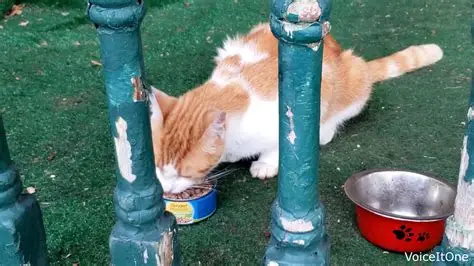
Margaret Chen thought she was doing something beautiful when she started leaving bowls of kibble for the three skinny cats that roamed her apartment complex parking lot. But six months later, what began as a simple act of compassion had spiraled into an all-out battle that divided the once-peaceful community.
As the stray cat population grew from three to nearly thirty, the neighborhood found itself at the center of a heated debate over animal welfare, public health concerns, and the complexities of community responsibility. What unfolded was a dramatic clash of good intentions, clashing ideologies, and shattered friendships that left no one satisfied.
A Seemingly Innocent Act Unleashes Chaos
Margaret, a self-described “cat lover,” began her mission to care for the stray felines out of a genuine desire to help. She carefully placed food and water bowls in the parking lot, hoping to provide nourishment and comfort to the neglected animals. However, her benevolent act soon sparked outrage among her neighbors, who grew increasingly concerned about the growing cat population.
Residents complained about the influx of cats in the area, citing concerns over disease, property damage, and the general disruption to their peaceful way of life. Some even accused Margaret of single-handedly creating a “cat problem” where one hadn’t existed before.
The tension escalated as neighbors took sides, with some rallying behind Margaret’s efforts and others vehemently opposing her actions. Community meetings became heated exchanges, with both camps passionately arguing their case and refusing to back down.
Disease Fears Grip the Neighborhood
As the cat population continued to grow, so did the concerns over public health and safety. Parents in the community became increasingly anxious, fearing that their children could be exposed to diseases carried by the stray animals. Some even went so far as to demand that local authorities intervene and remove the cats from the area.
Local officials were caught in the middle, struggling to find a solution that would satisfy both the animal advocates and the concerned residents. Suggestions ranged from trapping and relocating the cats to implementing a comprehensive spay and neuter program, but each proposal was met with fierce resistance from one side or the other.
The ongoing debate over the fate of the cats only served to exacerbate the existing tensions within the community, as long-time friends and neighbors found themselves at odds over the issue.
- ➡You’ll Never Believe What Happened When I Sat Next to a Stranger on a Flight – It Completely Changed My Life!
- ➡A Small Tweak That Ballooned the Cost of a New Fighter Jet
- ➡What Your Kitchen Cabinet Supplier Doesn’t Want You to Know About Cleaning Grime
- ➡You Won’t Believe What This Homeless Man Did for a Stranger – The Ripple Effect Will Shock You
Broken Friendships and Legal Battles
As the battle lines were drawn, the once-tight-knit community began to unravel. Friendships that had been forged over decades were strained to the breaking point, with neighbors refusing to speak to one another and social events becoming tense, awkward affairs.
The conflict even spilled over into the legal realm, with a group of residents filing a lawsuit against Margaret, accusing her of creating a public nuisance and endangering the health and safety of the community. The legal battle only served to further inflame tensions, as both sides dug in and refused to back down.
The human cost of the conflict was palpable, as neighbors who had once shared barbecues and holiday celebrations now avoided each other in stony silence. The once-vibrant community had been transformed into a battlefield, where the lines between compassion and self-interest had become blurred beyond recognition.
Searching for Solutions, Finding Dissatisfaction
Despite the best efforts of local officials and community leaders, finding a solution that satisfied all parties proved elusive. Proposals ranged from establishing a designated feeding area for the cats to implementing a strict trap-neuter-return program, but each idea was met with resistance and criticism from one side or the other.
- ➡Microwave vs Oven Cakes — Why the Microwave Is the Surprising Winner
- ➡The Rare and Mesmerizing “Blue Cheese” Tortie Maine Coon: A Feline Masterpiece You Need to See
- ➡Stop Charging Your Phone Before Bed! The Dangerous Truth About the Upcoming Solar Eclipse
- ➡Unexpected Twist: Retiree Turns Social Housing Into Second Home, Defies Eviction
The community remained divided, with neither side willing to compromise or see the other’s perspective. The legal battle dragged on, consuming time, resources, and goodwill, and leaving the fate of the cats in limbo.
In the end, the conflict left a lasting mark on the neighborhood, with broken friendships, shattered trust, and a community forever changed by the unintended consequences of a seemingly kind act.
Lessons for Other Neighborhoods
The saga of Margaret Chen and her neighborhood’s cat conundrum serves as a cautionary tale for communities across the country. It highlights the complex and often-underestimated challenges that can arise when personal passions and public interests collide.
For other neighborhoods grappling with similar issues, the key may lie in early and open communication, fostering a spirit of compromise, and prioritizing the well-being of the entire community – both human and feline – above individual agendas.
- ➡Government Confirms Age Pension in Australia…
- ➡The Myth About the World’s Largest Passenger Jet You Probably Believe
- ➡Unbelievable! 392-Year-Old Greenland Shark Discovered in the Arctic – What It’s Seen Will Shock You
- ➡What the World’s Largest Arms Manufacturer Doesn’t Want You to Know About Their Groundbreaking Parasite Submarine Concept
By learning from the mistakes and missteps of this conflict, other communities can work to avoid the divisiveness and broken relationships that plagued this once-peaceful neighborhood, and instead find solutions that bring people together, rather than drive them apart.
A Neighborhood Forever Changed
The aftermath of the cat conflict has left an indelible mark on the community, with the scars of broken friendships and shattered trust still visible. While the immediate crisis may have been resolved, the lingering effects of the battle have transformed the neighborhood in ways that may never be fully healed.
As the residents of this once-tranquil community move forward, they are left to grapple with the enduring consequences of a simple act of kindness gone awry. The lesson, it seems, is that even the most well-intentioned efforts can have unintended consequences, and that navigating the complexities of community life requires a delicate balance of compassion, compromise, and civic responsibility.
For Margaret Chen and her neighbors, the battle over the stray cats may have ended, but the scars it has left behind will serve as a stark reminder of the fragility of community harmony and the importance of finding common ground, even in the face of deeply held convictions.
- ➡She Discovered the Secret to Cold Fusion – And the Government Didn’t Want You to Know
- ➡The Shocking Truth My Son Uncovered About His Father’s Secret Life
- ➡17 Hair Hacks That Make Fine Hair Look Thicker Instantly
- ➡This Man Found a Vintage Camera at a Flea Market – But the Last Photo on the Roll Was Taken Inside His Own Home
FAQ
What sparked the conflict over the stray cats in the neighborhood?
The conflict began when Margaret Chen started leaving food and water for a small group of stray cats in her apartment complex parking lot. As the cat population grew from three to nearly thirty, it sparked concerns among neighbors over public health, property damage, and the disruption to their peaceful way of life.
How did the community respond to the growing cat population?
The community was deeply divided, with some residents rallying behind Margaret’s efforts to care for the cats and others vehemently opposing her actions. Heated community meetings, legal battles, and broken friendships followed as the two sides refused to compromise.
What were the main concerns raised by the opponents of the cat feeding program?
The main concerns raised by opponents included fears over disease, property damage, and the general disruption to their quiet neighborhood. Some parents even demanded that local authorities remove the cats, fearing for their children’s health and safety.
How did the local authorities try to resolve the conflict?
Local officials attempted to find a solution that would satisfy both the animal advocates and the concerned residents, proposing ideas like trapping and relocating the cats or implementing a spay and neuter program. However, each proposal was met with fierce resistance from one side or the other, and a satisfactory solution proved elusive.
- ➡The Jaw-Dropping Tale of Sarah Mitchell: Her 5-Year Disappearance and the Shocking Words That Silenced the Community
- ➡This Remote Work Study Just Revealed a Surprising Key to Happiness (And It’s Not What You Think)
- ➡[Researchers] Say This Common Household Ingredient Is the Key to Driving Rats Out of Your Home for Good
- ➡After Losing Everything, She Fought to Change Inheritance Laws — The Outcome Will Surprise You
What was the lasting impact of the conflict on the neighborhood?
The conflict left a deep and lasting impact on the community, with broken friendships, shattered trust, and a neighborhood forever changed by the unintended consequences of a seemingly kind act. The scars of the battle remain, and the community must now grapple with the enduring effects of the conflict.
What lessons can other neighborhoods learn from this experience?
The key lessons for other neighborhoods include the importance of early and open communication, fostering a spirit of compromise, and prioritizing the well-being of the entire community – both human and feline – above individual agendas. By learning from the mistakes and missteps of this conflict, other communities can work to avoid the divisiveness and broken relationships that plagued this once-peaceful neighborhood.
How can communities balance compassion for animals with the concerns of residents?
Striking a balance between compassion for animals and the concerns of residents requires a nuanced and collaborative approach. This may involve establishing designated feeding areas, implementing comprehensive spay and neuter programs, and fostering open dialogue to address the needs and fears of all stakeholders.
What could Margaret Chen have done differently to avoid the conflict?
In hindsight, Margaret Chen could have taken a more proactive approach to engaging her neighbors and addressing their concerns from the outset. This may have involved coordinating with local authorities, seeking community input, and exploring solutions that balanced the needs of the cats and the concerns of the residents.
- ➡The Real Reason Why This 10-Minute Chocolate Cake Recipe Is Taking the Internet by Storm
- ➡Centrelink Cost of Living Payments Released Monday 2026 — Full Eligibility & Who Gets Paid…
- ➡Centrelink Payment Dates April 6 to April 10, 2026: When Money May Arrive in Your Bank…
- ➡Australia Public Transport Benefits Rule Change for Seniors 2026 – Everything You Need…